✓ Locating a reliable fresh seafood source is crucial for taste and health.
✓ Different types of vendors offer varying levels of freshness and selection.
✓ Understanding seafood labeling and certifications helps ensure sustainability.
✓ Proper handling and storage are key to maintaining seafood quality at home.
How It Works
1
Identify Your Local Options
Start by searching online maps for 'fresh seafood near me' or 'fish markets'. Look for dedicated seafood stores, reputable grocery stores, and farmers' markets in your vicinity.
2
Assess Quality Indicators
Once you visit a potential supplier, observe the seafood's appearance, smell, and the store's cleanliness. Fresh fish should have clear eyes, firm flesh, and a mild, briny scent, not a strong 'fishy' odor.
3
Ask Key Questions
Don't hesitate to inquire about the seafood's origin, catch method, and when it was caught. Knowledgeable staff are a good sign of a reputable vendor committed to fresh products.
4
Consider Sustainability
Look for certifications like MSC or ASC, or ask about the vendor's commitment to sustainable fishing practices. Choosing sustainable options helps protect marine ecosystems for future generations.
Unlocking the Best Sources for Fresh Seafood
Photo: Nadine Ginzel / Pexels
Finding truly fresh seafood is a culinary quest that promises unparalleled flavor and nutritional benefits. For many, the phrase "where to buy fresh seafood near me" isn't just a search query; it's a desire to elevate their home cooking and ensure they're providing the best for their families. The journey begins with understanding the various avenues available, each with its unique advantages and considerations. While the internet offers a wealth of information, knowing what to look for and where to direct your search can save you time and lead to superior results.
Firstly, dedicated fish markets and seafood shops are often the gold standard. These establishments specialize exclusively in seafood, meaning their entire operation is geared towards sourcing, handling, and selling the freshest possible catch. Their staff are typically experts, capable of providing detailed information about origin, species, and even preparation tips. They often have direct relationships with local fishermen or trusted distributors, ensuring a shorter supply chain and fresher product. When you visit a fish market, look for clear signs of freshness: fish should have bright, clear eyes, firm flesh that springs back when pressed, and a clean, oceanic smell, not an overpowering 'fishy' odor. The display should be clean, well-iced, and organized. These locations often offer a wider variety of less common species, allowing for more adventurous culinary exploration. They might also provide services like filleting or de-boning on request, a convenience not always found elsewhere.
Secondly, high-end grocery stores and specialty food markets have significantly upped their seafood game. Many now boast impressive seafood counters, often staffed by trained fishmongers. While they may not have the sheer volume or niche selections of a dedicated fish market, they offer convenience and often maintain high standards for freshness. Their buying power can sometimes translate into competitive pricing for certain popular species. However, it's crucial to be discerning. Don't assume all grocery store seafood counters are equal. Pay attention to the same quality indicators you would at a fish market. Ask the staff about delivery schedules and sourcing. A good grocery store seafood counter will be transparent about where their fish comes from and how recently it arrived. For a deeper dive into the world of sustainable eating, consider exploring the benefits of eating local produce, which often goes hand-in-hand with responsible seafood consumption. This holistic approach to sourcing ingredients can significantly enhance your culinary experience and support local economies.
Navigating Online and Farmers' Market Seafood Options
Photo: Mikhail Nilov / Pexels
Beyond traditional brick-and-mortar stores, the modern landscape offers exciting alternatives for those asking "where to buy fresh seafood near me," particularly through online retailers and local farmers' markets. These channels cater to different preferences and offer unique benefits, expanding the options for consumers seeking quality seafood.
Online seafood retailers have seen a significant surge in popularity, especially for those in areas without immediate access to a quality fish market or for individuals seeking ultimate convenience. These platforms typically source directly from docks or large distributors, then package and ship fresh or flash-frozen seafood directly to your doorstep. The primary advantage here is access to a vast array of species, often from different regions or even countries, that might not be available locally. Many online vendors pride themselves on transparency, providing detailed information about the catch location, method, and even the individual boat that landed the fish. When choosing an online retailer, look for companies with strong reputations, clear shipping policies (especially regarding temperature control), and customer reviews that specifically mention freshness upon arrival. Flash-frozen seafood, when done correctly, can be as good as or even better than 'fresh' seafood that has traveled a long distance and sat on ice for several days. The key is that it's frozen at peak freshness, locking in flavor and texture. Always check for packaging that ensures insulation and proper cooling during transit.
Farmers' markets, while primarily known for produce, are increasingly becoming a valuable source for fresh, locally caught seafood, especially in coastal regions or areas near large bodies of water. The appeal of a farmers' market is the direct connection to the producer. You can often speak directly with the fishermen or their representatives, learning firsthand about where and how the fish was caught. This transparency builds trust and provides invaluable insight into the freshness and sustainability of your purchase. The seafood available at farmers' markets is often seasonal and limited to what was caught very recently, making it incredibly fresh. However, variety can be more restricted compared to larger markets, and you'll need to check market schedules and arrive early for the best selection. The emphasis at farmers' markets is usually on local, sustainable catches, which aligns perfectly with a conscious consumer's values. It’s a wonderful way to support local economies and enjoy seafood that has traveled minimal distances from water to plate. Always bring a cooler with ice to transport your purchases safely home from the market.
Key Indicators of Freshness and Sustainable Choices
Photo: Engin Akyurt / Pexels
When you're actively searching for "where to buy fresh seafood near me," knowing how to assess freshness is paramount, regardless of the vendor. A discerning eye and nose are your best tools in ensuring you bring home the highest quality product. Beyond visual cues, understanding sustainable practices is also crucial for responsible consumption.
For whole fish, the eyes are a critical indicator. They should be clear, bright, and bulging, not sunken or cloudy. The gills should be a vibrant red, not dull or brownish, and free of slime. The skin should be shiny, moist, and firm, with scales intact. Avoid fish with dry, discolored, or peeling skin. The flesh itself should be firm and elastic; when pressed gently, it should spring back immediately. A strong, pungent 'fishy' smell is a red flag; fresh fish should have a mild, clean, ocean-like aroma. For fillets, look for firm, moist flesh that is uniformly colored and free of gaps or browning. Avoid fillets that look dry, flaky, or have a milky appearance.
Shellfish also have their own freshness indicators. Live clams, mussels, and oysters should be tightly closed or close quickly when tapped. Discard any that remain open. Scallops should be firm, moist, and have a sweet, mild aroma. Shrimp should be translucent and firm, with no black spots or strong ammonia smell. If you're buying frozen seafood, look for packages that are well-sealed, free of ice crystals (which indicate thawing and refreezing), and from reputable brands.
Making sustainable choices is an increasingly important aspect of buying seafood. Overfishing and destructive fishing practices threaten marine ecosystems globally. When you're asking "where to buy fresh seafood near me," also consider asking about the sustainability of the catch. Look for certifications from organizations like the Marine Stewardship Council (MSC) or the Aquaculture Stewardship Council (ASC), which indicate that the seafood has been caught or farmed responsibly. These labels provide a reliable shortcut for consumers. If certifications aren't present, ask your fishmonger about the species' origin, catch method, and population health. Resources like the Monterey Bay Aquarium Seafood Watch program offer guides on which seafood choices are best, good alternatives, and what to avoid, based on scientific assessments. By choosing sustainable options, you contribute to the long-term health of our oceans and ensure future generations can also enjoy fresh seafood. For more insights on ethical food sourcing, check out this guide on understanding food labels, which often includes information on sustainability.
Tips for Storage, Preparation, and Common Mistakes to Avoid
Photo: Kindel Media / Pexels
Once you've successfully navigated "where to buy fresh seafood near me" and brought home your prized catch, the next crucial steps involve proper storage and preparation to maximize its flavor and safety. Mishandling fresh seafood can quickly diminish its quality and even pose health risks.
**Proper Storage:** The moment you get your seafood home, it should go directly into the coldest part of your refrigerator. For optimal freshness, place fish fillets or whole fish on a bed of ice in a shallow pan, covered with plastic wrap or foil. This keeps the temperature consistently low and prevents spoilage. Shellfish should be stored in an open container, covered with a damp cloth, allowing them to breathe. Never store live shellfish in airtight containers or submerged in water. Aim to consume fresh seafood within one to two days of purchase. If you don't plan to use it that quickly, flash-freezing it properly can extend its life considerably. Wrap individual portions tightly in plastic wrap, then in foil or a freezer bag, expelling as much air as possible.
**Preparation Tips:** Before cooking, gently rinse fish under cold water and pat it thoroughly dry with paper towels. Excess moisture can lead to steaming instead of searing, resulting in less flavorful, softer fish. Season simply to let the natural flavors shine. Common cooking methods include baking, grilling, pan-searing, steaming, and broiling. Avoid overcooking, as this is the most common mistake and leads to dry, tough seafood. Fish is generally done when it flakes easily with a fork at its thickest part, and shellfish are cooked when they open (if live) or turn opaque.
**Common Mistakes to Avoid:**
* **Ignoring Smell:** A strong, ammonia-like or overly 'fishy' smell is a sign of spoilage. Trust your nose.
* **Improper Thawing:** Never thaw frozen seafood at room temperature. Thaw it slowly in the refrigerator overnight or rapidly under cold running water.
* **Overcrowding the Pan:** When pan-searing or grilling, give seafood space. Overcrowding lowers the temperature and leads to steaming instead of a good sear.
* **Not Patting Dry:** As mentioned, moisture is the enemy of a good sear or crispy skin.
* **Overcooking:** Use a meat thermometer if unsure. Most fish are cooked at an internal temperature of 145°F (63°C).
* **Lack of Knife Skills:** If filleting at home, ensure your knife is very sharp to prevent tearing the delicate flesh.
By following these guidelines, you can ensure that the fresh seafood you've carefully sourced translates into a delicious and safe meal.
Comparison
Feature
Dedicated Fish Market
High-End Grocery Store
Online Retailer
Farmers' Market
Freshness Level
Excellent (Direct Sourcing)
Very Good (High Turnover)
Excellent (Flash-frozen or Quick Ship)
Excellent (Local, Seasonal)
Variety Offered
Extensive (Local & Exotic)
Good (Popular Species)
Extensive (Global Access)
Limited (Local & Seasonal)
Expert Staff
✓ (Highly Knowledgeable)
✓ (Often Available)
✗ (Customer Service Only)
✓ (Direct from Fisherman)
Convenience
Moderate (Specific Hours)
High (Daily Access)
Very High (Doorstep Delivery)
Low (Limited Days/Hours)
Sustainability Info
Good (Ask Staff)
Fair (Labels/Staff)
Good (Detailed Product Pages)
Excellent (Direct from Source)
What Readers Say
★★★★★
"I was looking for where to buy fresh seafood near me for a special dinner, and 'The Daily Catch' market was a revelation. The salmon was incredibly fresh, and the staff even gave me great cooking tips. My meal was a huge success!"
Sarah L. · Seattle, WA
★★★★★
"After searching for where to buy fresh seafood near me, I tried a local farmers' market. The scallops I bought were the sweetest I've ever had, clearly caught that morning. It's now my go-to for weekend seafood."
David R. · Boston, MA
★★★★★
"My online order from 'FreshShore Seafood' arrived perfectly chilled, and the snapper was pristine. It cooked up beautifully, and I finally achieved that restaurant-quality dish I was aiming for, all thanks to knowing where to buy fresh seafood near me effectively."
Emily C. · Miami, FL
★★★★★
"The seafood counter at my local upscale grocery store is usually quite good, though sometimes the variety can be a bit limited compared to a dedicated fishmonger. Still, for everyday needs, it's a solid option when I consider where to buy fresh seafood near me."
Mark T. · Chicago, IL
★★★★★
"I'm a chef, so finding reliable sources for where to buy fresh seafood near me is critical. I've found a fantastic local supplier who delivers directly to restaurants, and their commitment to sustainable, high-quality product is unmatched. It makes a huge difference in my dishes."
Jessica M. · San Diego, CA
Frequently Asked Questions
What are the absolute best places to buy fresh seafood near me?
The absolute best places are typically dedicated local fish markets, often found in coastal towns or larger cities, and reputable seafood counters within high-end grocery stores. Farmers' markets can also be excellent, especially for seasonal, local catches. Online retailers offer convenience and wide selection, often shipping flash-frozen products that retain peak freshness.
How can I tell if seafood is truly fresh and not just 'freshly defrosted'?
For whole fish, look for clear, bright, bulging eyes, vibrant red gills, and shiny, firm skin. The flesh should spring back when pressed. Avoid any strong 'fishy' or ammonia-like odors. For fillets, look for firm, moist, uniformly colored flesh without gaps or browning. A knowledgeable fishmonger will also be transparent about whether an item was previously frozen.
What questions should I ask my fishmonger when buying seafood?
You should ask: 'Where was this caught/farmed?', 'When was it caught?', 'How was it caught (method)?', 'Is this wild-caught or farmed?', and 'What is the best way to prepare this species?' Also, inquire about any sustainability certifications or practices they follow.
Is buying fresh seafood expensive, and how can I find good value?
The price of fresh seafood varies greatly by species, season, and origin. While some premium options can be costly, you can find good value by choosing seasonal, locally abundant fish, or by opting for less common but equally delicious species. Buying whole fish and filleting it yourself can also save money. Look for sales at reputable markets.
How does wild-caught seafood compare to farmed seafood in terms of quality and sustainability?
Both wild-caught and farmed seafood can be high quality and sustainable, depending on the source. Wild-caught is often praised for its natural diet and flavor, but can be susceptible to overfishing. Farmed seafood, when done responsibly (e.g., Aquaculture Stewardship Council certified), can alleviate pressure on wild stocks and offer consistent quality. Researching specific species and their sourcing is key.
Who should prioritize finding high-quality fresh seafood sources?
Anyone who values taste, nutrition, and supporting sustainable practices should prioritize finding high-quality fresh seafood sources. This includes home cooks looking to elevate their meals, individuals focused on healthy eating, and those who want to ensure their food choices have a minimal environmental impact.
Are there any health risks associated with buying seafood from less reputable sources?
Yes, buying from less reputable sources can pose health risks. Poor handling, inadequate temperature control, and lack of transparency about origin can lead to bacterial contamination, spoilage, or mislabeling of species (e.g., escolar sold as tuna, which can cause digestive issues). Always choose vendors known for cleanliness, transparency, and high standards.
What is the future trend for where to buy fresh seafood near me?
The future trend involves increased transparency in the supply chain, more robust sustainability certifications, and the growth of direct-to-consumer models (both online and local CSFs - Community Supported Fisheries). Expect greater emphasis on traceability from 'boat to plate' and innovative aquaculture methods that are environmentally friendly. Personalization and convenience will also drive more customized seafood delivery services.
Now that you're equipped with the knowledge of where to buy fresh seafood near me, it's time to embark on your culinary adventure. Explore your local options, ask the right questions, and bring home the freshest catch to create unforgettable meals. Your journey to delicious, healthy seafood starts today!

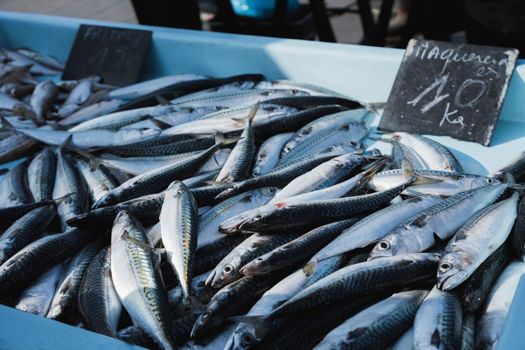 Photo: Nadine Ginzel / Pexels
 Photo: Mikhail Nilov / Pexels
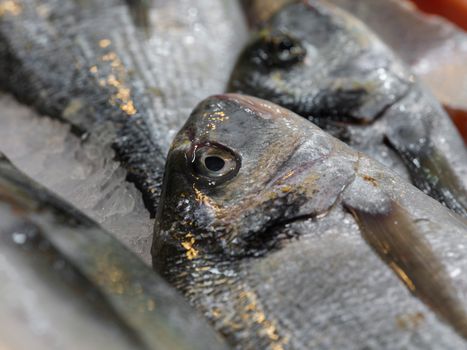 Photo: Engin Akyurt / Pexels
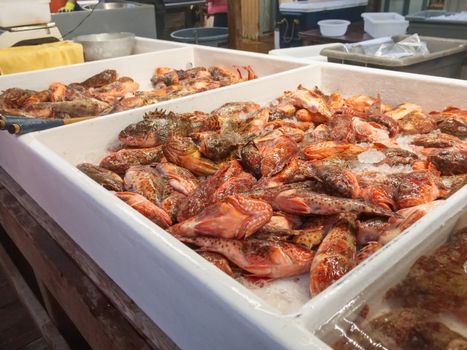 Photo: Kindel Media / Pexels