What Is The Keto Diet Food List? Your Ultimate Guide
what is the keto diet food list

What Is The Keto Diet Food List? Your Ultimate Guide

Unlock the secrets to a successful ketogenic diet by understanding exactly what foods to eat and avoid.

Start Your Keto Journey

Key Takeaways

  • ✓ The ketogenic diet emphasizes very low carbohydrate intake, moderate protein, and high fat.
  • ✓ The primary goal is to induce ketosis, a metabolic state where the body burns fat for fuel.
  • ✓ Approved foods include meats, fish, eggs, healthy fats, low-carb vegetables, and some dairy.
  • ✓ Foods to avoid are grains, sugar, most fruits, root vegetables, and processed snacks.

How It Works

1
Severe Carb Restriction

To initiate ketosis, carbohydrate intake is drastically reduced, typically to under 20-50 grams per day. This forces your body to seek alternative fuel sources.

2
Fat Adaptation

With limited glucose, your liver begins converting fat into ketones, which then become the body's primary energy source. This metabolic shift is known as ketosis.

3
Increased Fat Intake

To sustain ketosis and provide adequate energy, dietary fat intake significantly increases, often comprising 70-80% of daily calories. This keeps you feeling full and fueled.

4
Protein Moderation

Protein intake is kept moderate, as excessive protein can be converted into glucose through gluconeogenesis, potentially hindering ketosis. Balance is key for muscle preservation.

Understanding the Core Principles of Ketogenic Eating
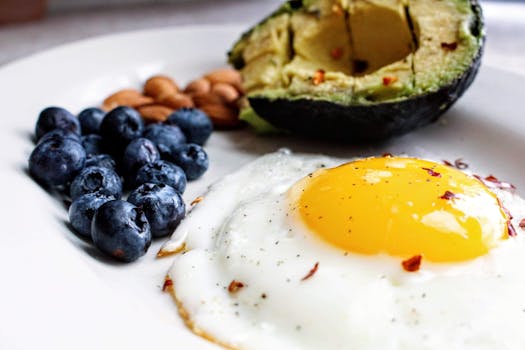
A nutritious breakfast featuring a fried egg, avocado, blueberries, and almonds. Photo: Jenna Hamra / Pexels
Embarking on the ketogenic diet requires a fundamental shift in how you view food. It’s not just about what you eat, but the macronutrient ratios that define your plate. At its heart, the keto diet is a very low-carbohydrate, high-fat, and moderate-protein eating plan designed to usher your body into a metabolic state called ketosis. In ketosis, your body efficiently burns fat for energy instead of carbohydrates. This metabolic flexibility is what many people seek for weight management, improved energy levels, and various health benefits. The typical macronutrient breakdown for a standard ketogenic diet is approximately 70-80% of calories from fat, 15-20% from protein, and a mere 5-10% from carbohydrates. This drastic reduction in carbs, usually below 20-50 grams per day, is the critical trigger for ketosis. When carbohydrate availability is low, your liver starts breaking down fats into molecules called ketones, which your brain and other organs can then use for fuel. This process bypasses glucose, which is typically derived from carbs. Understanding these ratios is paramount. It means saying goodbye to many staple foods you might be accustomed to, such as bread, pasta, rice, and sugary treats. Instead, your diet will center around nutrient-dense, whole foods rich in healthy fats and quality protein, with a focus on non-starchy vegetables. This can feel restrictive at first, but with a clear understanding of the 'what is the keto diet food list,' you'll find a wide array of delicious and satisfying options. The initial phase, often called the 'keto flu,' can present symptoms like fatigue or headaches as your body adapts to burning fat. However, staying hydrated and ensuring adequate electrolyte intake can significantly mitigate these effects. The long-term benefits, for many, far outweigh the initial adjustment period. Exploring different types of fats, for example, is crucial for satiety and health. Learn more about healthy fats to optimize your ketogenic journey. This foundational knowledge empowers you to make informed food choices and build a sustainable ketogenic lifestyle, moving beyond mere restriction to a holistic approach to wellness.

The Essential 'What Is The Keto Diet Food List': Approved Foods

Woman holding eco bag choosing fresh vegetables at a local market. Photo: Mike Jones / Pexels
Navigating the ketogenic diet successfully hinges on knowing precisely which foods are your allies. The approved 'what is the keto diet food list' is extensive and offers plenty of variety, ensuring your meals are both delicious and compliant. The cornerstone of a keto diet is healthy fats. These are your primary energy source. Think avocados, avocado oil, olive oil, coconut oil, butter, ghee, and fatty cuts of meat. These fats not only provide energy but also contribute to satiety, helping you feel full and satisfied between meals. Protein sources are crucial for muscle maintenance and overall bodily function, but remember, moderation is key. Excellent keto-friendly protein options include fatty fish like salmon, mackerel, and sardines, which also provide beneficial omega-3 fatty acids. Other great choices are beef (especially fattier cuts), pork, lamb, chicken (especially the dark meat and skin), eggs, and turkey. Opt for pasture-raised or grass-fed whenever possible for superior nutrient profiles. Eggs, in particular, are a keto superstar – versatile, affordable, and packed with nutrients. When it comes to vegetables, the focus is on non-starchy, leafy greens and cruciferous varieties. These are low in carbohydrates and rich in fiber, vitamins, and minerals. Examples include spinach, kale, lettuce, Swiss chard, broccoli, cauliflower, Brussels sprouts, asparagus, green beans, and bell peppers (in moderation due to slightly higher carb content). These vegetables add bulk, color, and essential micronutrients to your meals without significantly impacting your carb count. Dairy can be included, but choose full-fat, unsweetened options. Hard cheeses like cheddar, gouda, and parmesan are excellent, as are full-fat cream cheese, heavy cream, and plain full-fat Greek yogurt or sour cream (in smaller amounts). Be wary of low-fat dairy products, which often have added sugars or starches to compensate for flavor. Nuts and seeds are great for snacks or adding texture to meals, but they do contain carbs, so consume them in moderation. Almonds, macadamia nuts, pecans, walnuts, chia seeds, flax seeds, and pumpkin seeds are good choices. Always check nutritional labels for carb counts, as these can vary significantly between types and brands. Berries, while fruits, are the only fruits generally acceptable on keto, and even then, in very limited quantities. Small servings of raspberries, blackberries, and strawberries can be enjoyed occasionally due to their lower sugar content compared to other fruits. Hydration is also paramount; water, unsweetened coffee, and tea are your best bets. Electrolyte supplementation might be necessary, especially during the initial adaptation phase, to prevent symptoms of the keto flu. Building a diverse menu from these approved foods makes the keto diet sustainable and enjoyable.

Foods to Avoid: Navigating the Non-Keto Minefield
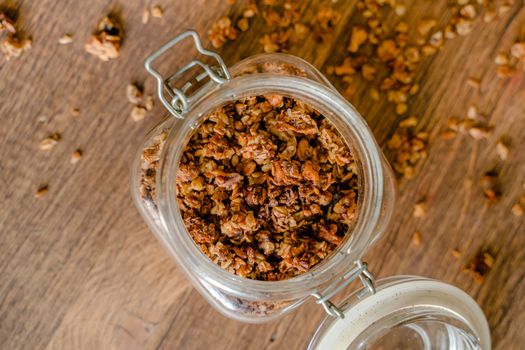
Top view of a glass jar filled with crunchy homemade granola on a wooden surface. Photo: AI25.Studio Studio / Pexels
Successfully adhering to a ketogenic diet isn't just about knowing what to eat; it's equally, if not more, important to understand what to avoid. The 'what is the keto diet food list' of forbidden items is primarily composed of high-carbohydrate foods that will kick your body out of ketosis. Eliminating these items is crucial for maintaining the metabolic state you're aiming for. First and foremost, sugar in all its forms is out. This includes granulated sugar, brown sugar, honey, maple syrup, agave nectar, and high-fructose corn syrup. These are potent sources of carbohydrates that will rapidly elevate blood glucose and halt ketone production. You'll find sugar hidden in countless processed foods, from sodas and fruit juices to candies, pastries, desserts, and even many condiments and sauces. Reading food labels meticulously becomes a critical skill on keto. Next on the chopping block are grains and grain-based products. This encompasses wheat, corn, rice, pasta, bread, oats, quinoa, barley, and anything made with flour from these grains. These are major sources of carbohydrates and are incompatible with the low-carb requirements of a ketogenic diet. Even 'healthy' whole grains, while beneficial in a standard diet, are too high in carbs for keto. This also extends to many breakfast cereals and granola bars. Most fruits are too high in sugar to be keto-friendly. While packed with vitamins, their natural sugars (fructose) contribute significantly to your daily carb count. Bananas, apples, oranges, grapes, and mangoes, for instance, should be avoided. As mentioned earlier, small portions of berries are the exception due to their lower net carb content, but even these need to be consumed with caution. Starchy vegetables like potatoes, sweet potatoes, corn, and peas are also off-limits. These root and tuber vegetables store significant amounts of carbohydrates, making them unsuitable for a ketogenic diet. While nutritious, their carb load will easily push you over your daily limit. Legumes, including beans, lentils, and chickpeas, are another category to avoid. Despite their fiber and protein content, they are too high in carbohydrates to fit into a strict keto plan. Processed foods and unhealthy fats should also be minimized. Many processed snacks, fast food, and pre-packaged meals contain hidden sugars, unhealthy trans fats, and excessive carbs. Similarly, highly refined vegetable oils like soybean oil, corn oil, and canola oil are often inflammatory and should be replaced with healthier fat sources. Alcohol, especially beer and sugary cocktails, is generally discouraged due to its carb content and its impact on liver function, which is crucial for ketosis. Understanding these restrictions is not about deprivation, but about making informed choices that support your body's metabolic goals. For those looking for suitable alternatives, consider keto-friendly sweeteners and flours to help transition away from these non-keto items.

Practical Tips for Keto Meal Planning and Success
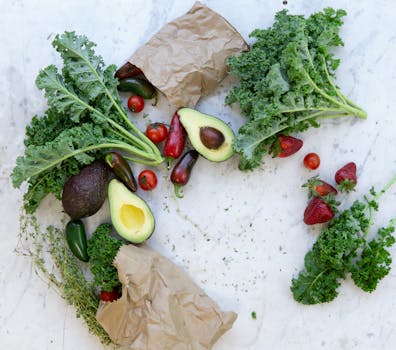
Top view of fresh avocados, kale, tomatoes, and peppers arranged on a marble surface. Photo: Elle Hughes / Pexels
Successfully adhering to the ketogenic diet involves more than just knowing 'what is the keto diet food list'; it requires strategic planning and consistent execution. Here are some practical tips to help you thrive on your keto journey: * **Meal Prepping is Your Best Friend:** Dedicate time each week to plan your meals and prepare ingredients. Cook larger batches of keto-friendly proteins and vegetables that can be easily assembled into meals throughout the week. This prevents impulsive, non-keto food choices when hunger strikes and time is short. * **Read Labels Diligently:** Carbs hide in unexpected places. Always check nutritional labels for net carb counts (total carbs minus fiber and sugar alcohols, if applicable). Pay close attention to serving sizes. Even seemingly harmless items like sauces, dressings, and spices can contain hidden sugars and starches. * **Prioritize Electrolytes and Hydration:** As your body sheds water weight on keto, you can lose essential electrolytes like sodium, potassium, and magnesium. This can contribute to 'keto flu' symptoms. Ensure adequate intake of these minerals through bone broth, avocado, leafy greens, and potentially supplements. Drink plenty of water throughout the day. * **Embrace Healthy Fats:** Don't be afraid of fat! It's your primary fuel source and crucial for satiety. Incorporate healthy fats like avocado, olive oil, coconut oil, butter, and fatty meats into your meals to stay full and energized. This is a significant shift from traditional low-fat diets. * **Focus on Whole, Unprocessed Foods:** While there are many keto-friendly processed foods emerging, prioritizing whole, unprocessed ingredients will provide the most nutrients and help you avoid hidden carbs and additives. Base your meals around fresh meats, fish, eggs, and low-carb vegetables. * **Track Your Macros (Initially):** Especially when starting, tracking your macronutrients (fats, proteins, carbs) can be incredibly helpful. Use an app or journal to ensure you're hitting your targets and staying within your carb limit. This awareness builds intuition over time. * **Experiment with Keto-Friendly Recipes:** The keto diet doesn't have to be bland. Explore a wealth of keto recipes online for creative ways to prepare your approved foods. From 'fat bombs' to cauliflower rice and zucchini noodles, there are delicious alternatives for many carb-heavy favorites. * **Listen to Your Body:** Everyone's body responds differently. Pay attention to how you feel, your energy levels, and any changes in your hunger cues. Adjust your food choices and macro ratios as needed to optimize your well-being. Don't be afraid to tweak your approach. * **Plan for Dining Out:** If you know you'll be eating out, research restaurant menus beforehand. Many establishments offer keto-friendly options or can accommodate modifications (e.g., bunless burgers, extra veggies instead of fries, dressing on the side).

Comparison

FeatureKeto DietStandard American DietLow-Fat Diet
Primary Fuel SourceFats (Ketones)Carbohydrates (Glucose)Carbohydrates (Glucose)
Carbohydrate IntakeVery Low (<50g/day)High (250-300g+/day)Moderate-High (150-250g/day)
Fat IntakeHigh (70-80% calories)Moderate (30-35% calories)Low (<20-30% calories)
Protein IntakeModerate (15-20% calories)Moderate (15-20% calories)Moderate-High (20-30% calories)
Induces Ketosis
Focus FoodsMeats, healthy fats, low-carb veggiesGrains, processed foods, sugarsLean meats, grains, fruits, low-fat dairy

What Readers Say

"Understanding what is the keto diet food list completely transformed my approach to eating. I used to feel overwhelmed, but this guide broke it down perfectly. I've lost 15 pounds and have so much more energy!"

Sarah J. · Austin, TX

"This article is exactly what I needed to kickstart my keto journey. The comprehensive list of approved and forbidden foods made meal planning so much easier. No more guesswork, just delicious, keto-friendly meals."

Mark D. · Chicago, IL

"I struggled with consistent energy levels for years. After following the 'what is the keto diet food list' advice here, I've maintained ketosis for months, and my mental clarity is through the roof. Highly recommend this detailed guide!"

Emily R. · San Diego, CA

"While incredibly thorough, I wish there were a few more advanced tips for maintaining keto long-term. However, for getting started and understanding the core food list, it's unparalleled. My blood sugar levels have never been better."

David P. · Miami, FL

"As a busy professional, I thought keto would be impossible. But with the clear 'what is the keto diet food list' and meal prep tips from this article, I've found it surprisingly manageable. My cravings for sugar have vanished."

Jessica L. · Denver, CO

Frequently Asked Questions

What are the absolute must-have foods for a beginner's keto diet?

For beginners, focus on foundational keto foods: fatty cuts of meat (beef, pork, chicken with skin), fatty fish (salmon, sardines), eggs, healthy fats (avocado, olive oil, butter, coconut oil), and non-starchy vegetables (spinach, broccoli, cauliflower). These provide essential nutrients and help with satiety.

Is it true that I can't eat any fruit on the keto diet?

Most fruits are indeed too high in sugar for a strict keto diet. However, small quantities of certain berries, such as raspberries, blackberries, and strawberries, can be consumed in moderation due to their lower net carbohydrate content. Always track your portions carefully.

How do I ensure I'm getting enough fiber on a keto diet with limited carbs?

You can get plenty of fiber from keto-friendly sources. Focus on non-starchy vegetables like leafy greens, broccoli, cauliflower, and asparagus. Nuts, seeds (chia, flax), and avocado are also excellent sources of dietary fiber that fit within your carb limits.

Are there any affordable options on the keto diet food list, or is it always expensive?

The keto diet can be affordable. Focus on budget-friendly proteins like eggs, chicken thighs, ground beef, and canned tuna or sardines. Utilize seasonal non-starchy vegetables and buy healthy fats like olive oil in bulk. Meal prepping also helps reduce costs and food waste.

How does the keto diet compare to other low-carb diets regarding food choices?

The keto diet is the most restrictive in terms of carbohydrate intake, typically aiming for under 20-50g per day to induce ketosis. Other low-carb diets, like Atkins or Paleo (when low-carb), might allow for higher carb limits or different food groups (e.g., more starchy vegetables or fruits) as long as they stay below a certain threshold, without necessarily targeting ketosis.

Who should consider following what is the keto diet food list?

Individuals looking for weight loss, improved blood sugar control (especially those with type 2 diabetes), increased energy and mental clarity, or those seeking therapeutic benefits for certain neurological conditions may consider the keto diet. Always consult a healthcare professional before starting any new diet.

What are the potential risks or side effects of adhering to the keto diet food list?

Initial side effects can include 'keto flu' symptoms like fatigue, headache, and irritability, often due to electrolyte imbalance. Long-term concerns, though rare, can include nutrient deficiencies, kidney stones, or impacts on bone health. Proper planning, hydration, and electrolyte management can mitigate many risks.

What emerging trends or research are impacting the keto diet food list?

Research is continuously exploring the therapeutic applications of keto beyond weight loss, including its potential for neurological disorders, cancer, and metabolic health. New keto-friendly products, innovative low-carb sweeteners, and more diverse vegetable options are also expanding the 'food list' and making the diet more accessible and varied.

Armed with this comprehensive guide on what is the keto diet food list, you're now ready to confidently embark on your ketogenic journey. By understanding the core principles, approved foods, and those to avoid, you can craft delicious, satisfying meals that support your health goals. Start transforming your eating habits today and discover the benefits of a ketogenic lifestyle.

Topics: what is the keto diet food listketo friendly foodsketogenic diet food guidelow carb high fat dietketo meal planning
Leo List

DK Escorts LU Escorts AT Escorts SE Escorts FI Escorts CH Escorts DE Escorts HR Escorts IE Escorts GR Escorts CZ Escorts NO Escorts BE Escorts FR Escorts SI Escorts IL Escorts NL Escorts PL Escorts HU Escorts ES Escorts IT Escorts PT Escorts SK Escorts RO Escorts ZA Escorts UY Escorts US Escorts UK Escorts NZ Escorts AU Escorts
Brampton weed
Adultwork EstrelaBet Vai de Bet R7 Bet Betão Galera Bet Rainbet Bet9ja Shop SportyBet BetKing Sisal Loto Foot Hollywoodbets YesPlay Odibets RushBet Jugabet BetWarrior BetCity MSport betPawa Fortebet