Your Ultimate Keto Diet Meal Plan for Beginners
July 15, 2026 15 min read 3,004 words
Embark on your keto journey with confidence using this simple, delicious, and effective meal plan tailored for newcomers.
Start Your Keto Journey Today!
Understanding the Ketogenic Diet for Weight Loss
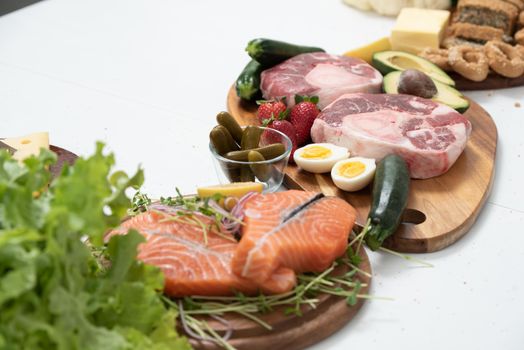 Photo: Ronit HaNegby / Pexels
The ketogenic diet, often simply called 'keto,' is a low-carbohydrate, adequate-protein, and high-fat diet that forces the body to burn fats rather than carbohydrates. This metabolic state is known as ketosis. When you drastically reduce your carbohydrate intake, your body, deprived of its primary fuel source (glucose), begins to break down stored fat into molecules called ketones. These ketones then become your body's new primary energy source, including for your brain. This fundamental shift in metabolism is what makes the keto diet so effective for weight loss and other potential health benefits. For beginners, understanding this core principle is paramount. It’s not just about cutting carbs; it’s about strategically increasing healthy fats to fuel your body.
Many people turn to the keto diet for its rapid weight loss potential. By shifting your body into a fat-burning state, you naturally tap into your fat reserves. Beyond just shedding pounds, many report increased energy levels, improved mental clarity, and better appetite control. The high-fat content of the diet tends to be very satiating, which can help reduce cravings and overall calorie intake without feeling deprived. However, the initial transition can be challenging as your body adapts. This is where a well-structured
beginner's guide and meal plan become invaluable. It helps you navigate the initial phase, often referred to as the 'keto flu,' by providing clear guidance on what to eat and what to avoid, ensuring you get adequate nutrients while transitioning. The goal is to make the process as smooth and sustainable as possible, setting you up for long-term success rather than just a temporary fix. It's important to remember that while weight loss is a significant benefit, the ketogenic diet also has potential applications for managing certain medical conditions under medical supervision, such as epilepsy and type 2 diabetes. Always consult with a healthcare professional before making significant dietary changes, especially if you have underlying health conditions. This ensures the diet is appropriate and safe for your individual needs. Getting your body into ketosis typically involves limiting carbohydrate intake to 20-50 grams per day, an amount far lower than typical Western diets. This drastic reduction requires careful planning and a commitment to new eating habits, making a detailed meal plan essential for any newcomer.
Crafting Your Keto Diet Meal Plan for Beginners: The Essentials
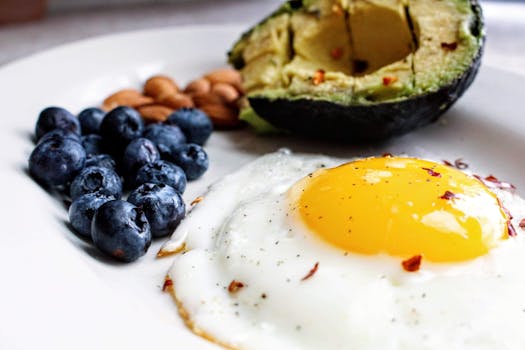 Photo: Jenna Hamra / Pexels
Developing a robust keto diet meal plan for beginners requires a clear understanding of what foods are allowed and, more importantly, what foods are restricted. The cornerstone of a ketogenic diet is a significant reduction in carbohydrate intake, typically aiming for 20-50 grams of net carbs per day. This means saying goodbye to many common staples like bread, pasta, rice, most fruits, sugary drinks, and starchy vegetables. Instead, your plate will be filled with nutrient-dense, high-fat, and moderate-protein options.
**Key Food Groups to Focus On:**
* **Healthy Fats:** These will be your primary energy source. Think avocados, olive oil, coconut oil, butter, ghee, nuts (in moderation), and seeds. Don't shy away from the fat; it's what keeps you satiated and in ketosis. Incorporate them into every meal.
* **Protein Sources:** Opt for high-quality, unprocessed proteins like grass-fed beef, poultry (chicken, turkey), fatty fish (salmon, mackerel, sardines), eggs, and some full-fat dairy (cheese, Greek yogurt in moderation). Protein is crucial for maintaining muscle mass while losing fat.
* **Non-Starchy Vegetables:** These are your go-to for fiber and micronutrients without adding excessive carbs. Leafy greens like spinach, kale, and lettuce are excellent, as are broccoli, cauliflower, asparagus, zucchini, and bell peppers. These vegetables add volume and nutrients to your meals.
* **Berries (in moderation):** While most fruits are too high in sugar, small portions of berries like strawberries, blueberries, and raspberries can be enjoyed sparingly due to their lower carb count and high antioxidant content.
**Foods to Strictly Avoid (Especially as a Beginner):**
* **Grains:** Wheat, corn, rice, pasta, cereal, oats, quinoa, etc.
* **Sugar:** Soft drinks, fruit juice, candy, chocolate, pastries, ice cream, most processed foods.
* **Starchy Vegetables:** Potatoes, sweet potatoes, carrots, parsnips, peas.
* **Most Fruits:** Apples, bananas, oranges, grapes, etc.
* **Legumes:** Beans, lentils, chickpeas.
* **Low-Fat/Diet Products:** These often contain hidden sugars and artificial sweeteners to compensate for fat removal.
* **Processed Foods:** Many processed foods contain hidden sugars, unhealthy fats, and excessive carbs. Always check labels.
For a beginner, the sheer volume of forbidden foods can feel overwhelming. This is why having a clear, week-by-week meal plan is so beneficial. It removes the guesswork and helps you build new eating habits. Focus on whole, unprocessed foods, and always read nutritional labels, paying close attention to net carbs (total carbs minus fiber and sugar alcohols). Starting with a structured plan eliminates the decision fatigue and helps you stay compliant during the crucial adaptation phase. Remember, consistency is key, and a well-thought-out plan provides the framework for that consistency. Don't be afraid to experiment with different keto-friendly ingredients to keep your meals exciting and diverse. Variety helps prevent burnout and ensures you're getting a wide range of essential nutrients.
A Sample Weekly Keto Diet Meal Plan for Beginners
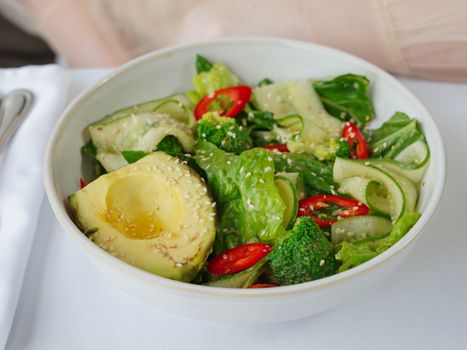 Photo: Nadin Sh / Pexels
Transitioning to a ketogenic diet can feel daunting, but a structured meal plan makes it significantly easier. This sample 7-day keto diet meal plan for beginners focuses on simplicity, deliciousness, and meeting your macros without complex recipes. Remember to adjust portion sizes based on your individual caloric and macro needs, and always prioritize hydration by drinking plenty of water, especially during the initial phase. Electrolyte supplementation might also be beneficial to combat the 'keto flu.'
**Day 1: Kickstarting Ketosis**
* **Breakfast:** Scrambled eggs (2-3) with spinach and cheese, cooked in butter or coconut oil. (Approx. 3g net carbs)
* **Lunch:** Large salad with grilled chicken, avocado, olive oil vinaigrette, and mixed greens. (Approx. 5g net carbs)
* **Dinner:** Baked salmon with roasted asparagus and a generous pat of butter. (Approx. 4g net carbs)
* **Snack (Optional):** A handful of almonds or a slice of full-fat cheese.
**Day 2: Embracing Healthy Fats**
* **Breakfast:** Keto smoothie: unsweetened almond milk, a scoop of protein powder, 1/2 avocado, and a tablespoon of almond butter. (Approx. 6g net carbs)
* **Lunch:** Leftover baked salmon and asparagus.
* **Dinner:** Ground beef stir-fry with broccoli, bell peppers, and soy sauce alternative (e.g., coconut aminos). (Approx. 7g net carbs)
* **Snack (Optional):** Hard-boiled eggs (2).
**Day 3: Exploring Variety**
* **Breakfast:** Keto pancakes (made with almond flour, eggs, and cream cheese) topped with a few berries and sugar-free syrup. (Approx. 5g net carbs)
* **Lunch:** Tuna salad (made with mayo, celery, and onion) served in lettuce cups. (Approx. 4g net carbs)
* **Dinner:** Chicken thighs baked with olive oil, lemon, and herbs, served with sautéed green beans. (Approx. 6g net carbs)
* **Snack (Optional):** A small portion of full-fat Greek yogurt with a few raspberries.
**Day 4: Simplicity & Satiety**
* **Breakfast:** Bulletproof coffee (coffee blended with butter and MCT oil). (Approx. 1g net carb)
* **Lunch:** Leftover chicken thighs and green beans.
* **Dinner:** Keto chili: ground beef, diced tomatoes (small amount), bell peppers, onions, chili powder, and cheese. (Approx. 8g net carbs)
* **Snack (Optional):** Cheese sticks (2).
**Day 5: Seafood & Veggies**
* **Breakfast:** Omelet with mushrooms, cheese, and a side of bacon. (Approx. 3g net carbs)
* **Lunch:** Shrimp avocado salad with a lemon-dill dressing. (Approx. 5g net carbs)
* **Dinner:** Pork chops pan-fried in butter, served with a large side of cauliflower mash. (Approx. 7g net carbs)
* **Snack (Optional):** Olives or a few slices of deli meat.
**Day 6: Weekend Comfort**
* **Breakfast:** Keto breakfast casserole with eggs, sausage, spinach, and cheese. (Approx. 4g net carbs)
* **Lunch:** Leftover keto breakfast casserole.
* **Dinner:** Steak with a side of creamed spinach. (Approx. 5g net carbs)
* **Snack (Optional):** Pork rinds or a small piece of dark chocolate (90%+ cacao).
**Day 7: Recharging & Preparing**
* **Breakfast:** Chia seed pudding (made with unsweetened almond milk, chia seeds, and a touch of stevia) topped with a few berries. (Approx. 7g net carbs)
* **Lunch:** Large chef salad with ham, turkey, cheese, hard-boiled eggs, and ranch dressing. (Approx. 6g net carbs)
* **Dinner:** Keto pizza on a cauliflower or almond flour crust with your favorite low-carb toppings (pepperoni, mushrooms, olives). (Approx. 9g net carbs)
* **Snack (Optional):** A handful of pecans or macadamia nuts.
This sample plan provides approximately 20-30 grams of net carbs per day, keeping you well within the ketogenic range. Remember to drink plenty of water throughout the day and listen to your body. As you become more comfortable, you can start experimenting with more complex
keto recipes and customize your meals to your personal preferences. The key is to maintain consistency and enjoy the process of discovering delicious new ways to eat. Meal prepping on a Sunday can also significantly ease the burden of daily cooking, ensuring you always have keto-friendly options readily available and reducing the temptation to stray from your plan. Focus on whole, unprocessed foods and prioritize quality ingredients for the best results.
Common Keto Mistakes and Essential Tips for Beginners
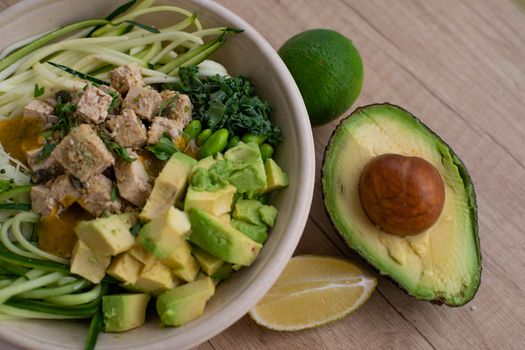 Photo: Valeria Boltneva / Pexels
Embarking on a keto diet can be incredibly rewarding, but like any significant dietary change, it comes with its own set of potential pitfalls. Being aware of common mistakes and arming yourself with essential tips can significantly smooth your journey, especially as a beginner. Avoiding these missteps will not only help you stay in ketosis but also ensure you feel your best while adapting to this new lifestyle.
**Common Keto Mistakes to Avoid:**
* **Not Drinking Enough Water:** Dehydration is a major contributor to the 'keto flu.' When you cut carbs, your body excretes more water and electrolytes. Neglecting hydration can lead to headaches, fatigue, and muscle cramps.
* **Insufficient Electrolyte Intake:** Alongside water, electrolytes (sodium, potassium, magnesium) are crucial. A lack of these can exacerbate keto flu symptoms. Many people mistakenly cut salt, which is detrimental on keto.
* **Not Eating Enough Fat:** This is perhaps the most common mistake. Many beginners are still in a 'low-fat' mindset. On keto, fat is your primary fuel source. If you don't consume enough, you'll feel hungry, sluggish, and won't sustain ketosis effectively.
* **Eating Too Much Protein:** While protein is essential, excessive protein can be converted into glucose (gluconeogenesis) by your liver, potentially kicking you out of ketosis. Aim for moderate protein intake, not high protein.
* **Hidden Carbs:** Many processed foods, sauces, dressings, and even some 'sugar-free' items contain hidden sugars or starches that can quickly add up. Always read food labels carefully.
* **Not Tracking Macros:** Especially in the beginning, tracking your net carbs, protein, and fat is vital to ensure you're staying within the ketogenic ratios. This helps you learn appropriate portion sizes and food compositions.
* **Expecting Immediate Results:** While some initial weight loss can be rapid (due to water loss), sustainable fat loss takes time. Be patient and consistent.
**Essential Tips for Keto Beginners:**
* **Prioritize Electrolytes:** Supplement with sodium, potassium, and magnesium. Bone broth, avocados, leafy greens, and salting your food generously are great ways to get these in.
* **Stay Hydrated:** Drink water constantly. Carry a water bottle with you and aim for at least 8-10 glasses a day, more if you're active.
* **Meal Prep:** Dedicate time each week to prepare keto-friendly meals and snacks. This prevents last-minute poor choices when hunger strikes.
* **Focus on Whole Foods:** Emphasize unprocessed meats, healthy fats, and low-carb vegetables. Minimize reliance on highly processed 'keto-friendly' products.
* **Be Patient with the 'Keto Flu':** Understand that initial symptoms are normal and temporary. They typically resolve within a few days to a week with proper hydration and electrolyte intake.
* **Listen to Your Body:** Pay attention to how different foods make you feel. Some people tolerate certain keto foods better than others.
* **Educate Yourself:** Continuously learn about keto-friendly foods, recipes, and best practices. The more informed you are, the more successful you'll be.
* **Find a Support System:** Connect with other keto dieters online or in person. Sharing experiences and tips can be incredibly motivating.
By proactively addressing these common pitfalls and implementing these practical tips, you can significantly enhance your experience on the keto diet, making it a sustainable and enjoyable journey towards your health goals.