✓ Most fresh herbs benefit from a 'bouquet' method in water.
✓ Hardier herbs thrive when wrapped in a damp paper towel and refrigerated.
✓ Freezing is an excellent long-term solution for many herbs, especially in oil or water.
✓ Proper storage can extend herb freshness from days to several weeks, significantly reducing food waste.
How It Works
1
Assess Your Herbs
Identify whether your herbs are 'tender' (like basil, cilantro) or 'hardy' (like rosemary, thyme). This distinction dictates the best storage method.
2
Prepare for Storage
Gently wash herbs if dirty and pat them thoroughly dry. Excess moisture is the enemy of freshness, promoting mold and decay.
3
Implement the Right Method
Choose between the 'bouquet' method for tender herbs or the damp paper towel wrap for hardy ones. Refrigerate promptly to slow down spoilage.
4
Monitor and Maintain
Regularly check your stored herbs for signs of wilting or spoilage. Change water for 'bouquet' methods every couple of days to maximize longevity.
Understanding Your Herbs: Tender vs. Hardy Varieties
Photo: F 植生记 / Pexels
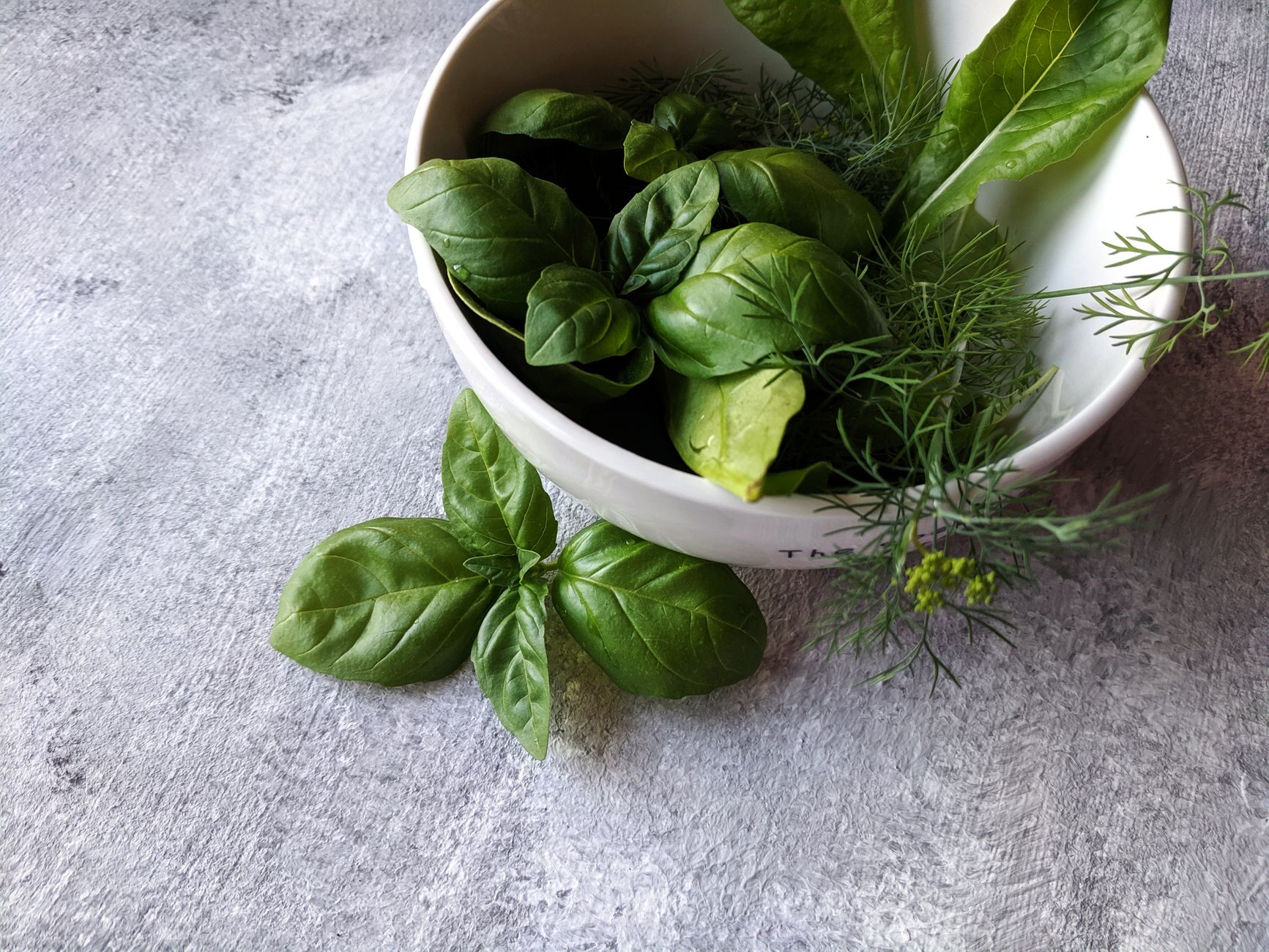
To truly master how to store fresh herbs longer, the first crucial step is understanding the fundamental difference between 'tender' and 'hardy' herbs. This distinction is not merely botanical; it's the key to unlocking their extended freshness. Tender herbs, characterized by their soft stems and delicate leaves, include popular choices like basil, cilantro, parsley, mint, tarragon, and dill. These herbs are highly susceptible to wilting and bruising, and they often react poorly to cold, dry air, which can cause them to blacken or lose flavor quickly. Think of them like delicate flowers that need a drink and protection. Their high water content means they lose moisture rapidly, making hydration a top priority for storage. On the other hand, hardy herbs boast woody stems and tougher, often needle-like or leathery leaves. Examples include rosemary, thyme, oregano, sage, and marjoram. These herbs are much more resilient and can withstand slightly drier conditions and colder temperatures without as much immediate degradation. Their robust structure means they are less prone to wilting and can maintain their integrity for longer periods if stored correctly.
Recognizing which category your herb falls into is paramount because the optimal storage techniques diverge significantly. Applying a 'tender' herb method to a 'hardy' herb, or vice versa, can drastically shorten its lifespan. For instance, putting basil in a damp paper towel and sealing it tightly might encourage mold due to lack of air circulation and too much moisture, whereas simply sticking rosemary in water might not be as effective as a damp wrap. This foundational knowledge empowers you to select the most appropriate preservation strategy from the outset, ensuring your culinary efforts are always supported by vibrant, flavorful ingredients. Knowing your herbs is the first step towards a waste-free kitchen and more delicious meals.
The 'Bouquet' Method: Best for Tender Herbs
Photo: Suzy Hazelwood / Pexels
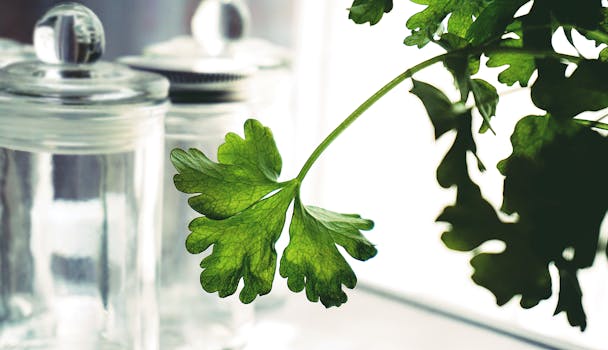
The 'bouquet' method is a time-tested technique for how to store fresh herbs longer, particularly those delicate, leafy varieties like basil, cilantro, parsley, mint, and dill. This approach mimics how flowers are kept fresh in a vase, providing a continuous supply of hydration to the herb stems. To begin, gently trim the very ends of the herb stems, much like you would cut flower stems. This re-opens the capillaries, allowing for better water absorption. Remove any leaves that would fall below the waterline in your container, as submerged leaves can rot and contaminate the water, leading to faster spoilage of the entire bunch.
Next, place the trimmed herbs stem-down into a glass or jar filled with about an inch of fresh, cool water. The amount of water should be just enough to cover the stem ends without submerging the leaves. Once in the water, the protection method varies slightly. For basil, which is highly sensitive to cold, it’s best to cover the entire setup loosely with a plastic bag (like a produce bag) and leave it on the countertop at room temperature, away from direct sunlight. Refrigeration can cause basil leaves to blacken and lose their characteristic flavor. For other tender herbs like cilantro, parsley, and mint, cover the glass and herbs loosely with a plastic bag and place the entire arrangement in the refrigerator. The plastic bag acts as a mini-greenhouse, trapping humidity around the leaves and preventing them from drying out in the cold, dry air of the fridge, which can otherwise cause them to wilt rapidly.
It is crucial to change the water every one to two days, or whenever it appears cloudy, to prevent bacterial growth. This simple step is often overlooked but is vital for extending the freshness of your herbs. With proper care, this 'bouquet' method can keep tender herbs vibrant and flavorful for up to two weeks, a significant improvement over the few days they might last if simply left in their original packaging. This method is a game-changer for anyone who frequently uses fresh herbs and wants to minimize waste.
Wrap and Refrigerate: The Hardy Herb Strategy
Photo: Tranmautritam / Pexels
For hardy herbs such as rosemary, thyme, oregano, sage, and marjoram, a different approach is more effective for how to store fresh herbs longer. Their woody stems and tougher leaves make them less reliant on constant direct hydration through their stems and more susceptible to mold if kept too wet in an enclosed environment. The preferred method for these robust varieties involves a damp paper towel and a sealed container.
Start by gently washing the herbs if they appear dirty or sandy. This is especially important for garden-fresh herbs. After washing, the most critical step is to dry them thoroughly. Excess moisture is the enemy of hardy herbs and will accelerate spoilage. Use a salad spinner or lay them out on a clean kitchen towel and gently pat them dry until no visible water droplets remain. Once dry, take a sheet of paper towel and dampen it slightly – it should be moist, not dripping wet. Wrap the herbs loosely in this damp paper towel. The goal is to provide a humid environment without creating standing water, which could lead to rot.
After wrapping, place the bundled herbs into a resealable plastic bag or an airtight container. The container or bag helps to maintain the humidity provided by the damp paper towel and prevents the herbs from absorbing odors from other foods in the refrigerator. Store this package in the crisper drawer of your refrigerator. The crisper drawer is designed to maintain a slightly higher humidity level than the rest of the fridge, which is beneficial for most produce, including hardy herbs. Check the herbs every few days. If the paper towel dries out, re-dampen it. If you notice any signs of spoilage or mold, discard the affected herbs immediately to prevent it from spreading. This method can keep hardy herbs fresh and fragrant for two to three weeks, significantly extending their shelf life compared to leaving them in their original grocery store packaging. Proper drying techniques are essential for success with this method.
Long-Term Solutions: Freezing and Drying Herbs
Photo: www.kaboompics.com / Pexels
While the refrigerator methods are excellent for extending freshness for weeks, sometimes you need an even longer-term solution for how to store fresh herbs longer, especially when you have an abundant harvest or find a great deal at the market. Freezing and drying are two highly effective ways to preserve herbs for months, ensuring you always have your favorite flavors on hand.
**Freezing Herbs:** Freezing is particularly effective for tender herbs like parsley, cilantro, basil, and chives, as it helps to retain their flavor and color better than drying. There are a couple of popular freezing techniques:
* **Ice Cube Tray Method:** Chop your fresh herbs finely. Pack them into ice cube trays, filling each compartment about two-thirds full. Pour olive oil or melted butter over the herbs to fill the remainder of the compartment. Alternatively, you can use water, but oil or butter often helps preserve flavor and makes them ready for sautéing. Freeze until solid, then pop out the herb cubes and transfer them to a freezer-safe bag or container. Label with the herb type and date. These cubes are perfect for adding directly to soups, stews, sauces, and stir-fries. They typically last 6-12 months.
* **Flash Freezing:** For herbs like dill or rosemary that you might want to use whole or roughly chopped, spread them in a single layer on a baking sheet. Freeze for a few hours until solid, then transfer to a freezer-safe bag. This prevents them from clumping together and allows you to grab just what you need.
**Drying Herbs:** Drying is best suited for hardy herbs like rosemary, thyme, oregano, sage, and bay leaves. While it changes their flavor profile slightly, drying concentrates their essence and makes them shelf-stable for a very long time.
* **Air Drying:** Bundle small bunches of herbs together with kitchen twine. Hang them upside down in a warm, dry, well-ventilated area away from direct sunlight. Ensure good air circulation to prevent mold. They are fully dried when the leaves are brittle and crumble easily, usually within 1-3 weeks.
* **Oven Drying:** For a faster method, spread herbs in a single layer on a baking sheet. Place in an oven set to its lowest temperature (170-200°F or 75-90°C) with the door slightly ajar to allow moisture to escape. Check frequently; this can take 1-4 hours.
* **Dehydrator:** A food dehydrator offers the most controlled drying environment. Follow your dehydrator's instructions for specific herbs.
Once dried, remove the leaves from the stems (if applicable) and store them in airtight containers in a cool, dark place. Dried herbs can last for 1-3 years, making them an excellent pantry staple. These long-term methods ensure that none of your precious herbs go to waste, providing flavor for seasons to come.
Comparison
Feature
Tender Herbs (Bouquet)
Hardy Herbs (Wrap)
Freezing (Oil/Water)
Drying (Air/Oven)
Best For
Basil, Cilantro, Parsley, Mint
Rosemary, Thyme, Oregano, Sage
Most Herbs (Soups, Stews)
Hardy Herbs (Long-term)
Shelf Life
1-2 Weeks
2-3 Weeks
6-12 Months
1-3 Years
Flavor Retention
High
High
Good (Slightly Muted)
Concentrated (Different Profile)
Prep Time
Low
Low
Medium
Medium to High
Equipment Needed
Glass, Plastic Bag
Paper Towel, Airtight Bag/Container
Ice Cube Trays, Freezer Bags
Twine/Rack, Dehydrator/Oven
Refrigeration Required
Yes (except Basil)
Yes
✓
✗
What Readers Say
★★★★★
"I used to throw away so much cilantro! Following the 'bouquet' method for how to store fresh herbs longer has kept my cilantro fresh for nearly two weeks, which is incredible. My guacamole has never been better."
Sarah J. · Austin, TX
★★★★★
"The tip about wrapping hardy herbs in a damp paper towel and refrigerating them changed my cooking. My rosemary and thyme now last so much longer, and I'm wasting far less. Highly recommend this guide!"
Mark D. · Seattle, WA
★★★★★
"Freezing herbs in olive oil cubes was a revelation! I've been adding them to sauces and soups, and they taste just like fresh. This strategy alone has saved me at least $20 a month on wasted herbs."
Emily R. · Denver, CO
★★★★★
"The advice here is solid, though I still struggle a bit with keeping basil vibrant on the counter in my humid kitchen. The other methods, especially for hardy herbs, work perfectly for me."
David L. · Boston, MA
★★★★★
"As someone who buys a lot of fresh herbs for juicing and cooking, learning how to store fresh herbs longer has been a game-changer. My fridge is now a herb paradise, and I feel so much more organized and less wasteful."
Jessica M. · Los Angeles, CA
Frequently Asked Questions
What's the absolute best way to store basil to keep it green?
For basil, the 'bouquet' method is key: trim stems, place in a glass with an inch of water, cover loosely with a plastic bag, and leave on the countertop at room temperature, away from direct sunlight. Refrigeration can cause basil to blacken and spoil quickly.
My herbs always get slimy in the fridge. What am I doing wrong?
Sliminess is usually a sign of too much moisture and/or insufficient air circulation. Ensure herbs are thoroughly dry before storing, especially hardy ones. For tender herbs in water, change the water frequently and ensure leaves are not submerged. Avoid tightly sealing containers without proper prep.
How do I store herbs from my garden that might have dirt on them?
Always gently wash garden herbs under cool running water to remove dirt. Pat them thoroughly dry with paper towels or use a salad spinner before applying any storage method. Excess moisture, even from washing, will accelerate spoilage.
Is it worth buying herb savers or special containers for storing herbs?
While some specialized herb savers can be effective, they often replicate the conditions achieved by simple methods like the 'bouquet' in a glass or wrapping in a damp paper towel. For most home cooks, these basic, inexpensive methods are highly effective and offer excellent value without extra purchases.
Can I store all herbs together using one method?
It's generally not recommended to store all herbs together using a single method due to their differing needs. Tender herbs (like basil, cilantro) need hydration through stems, while hardy herbs (like rosemary, thyme) prefer a damp wrap. Mixing them can lead to faster spoilage for one type or another.
Who benefits most from learning how to store fresh herbs longer?
Anyone who frequently cooks with fresh herbs, home gardeners with abundant harvests, and individuals looking to reduce food waste and save money will benefit immensely. It's also great for those who want to ensure their dishes always have the freshest, most vibrant flavors.
What are the health risks if I consume herbs that have started to go bad?
Consuming visibly spoiled herbs (slimy, moldy, discolored, or foul-smelling) is not recommended. While generally not life-threatening in small amounts, they can cause digestive upset. Mold on herbs can produce toxins, so it's always best to discard any herbs showing signs of spoilage.
Are there new innovations on the horizon for herb preservation?
Research continues into advanced packaging technologies, such as modified atmosphere packaging (MAP) and edible coatings, to extend the shelf life of fresh produce, including herbs. Home cooks might see more specialized, affordable gadgets or biodegradable storage solutions emerging that optimize humidity and air flow.
By implementing these proven techniques for how to store fresh herbs longer, you'll transform your kitchen habits, reduce waste, and infuse every meal with the freshest, most vibrant flavors. Start preserving your herbs today and enjoy delicious results for weeks to come!