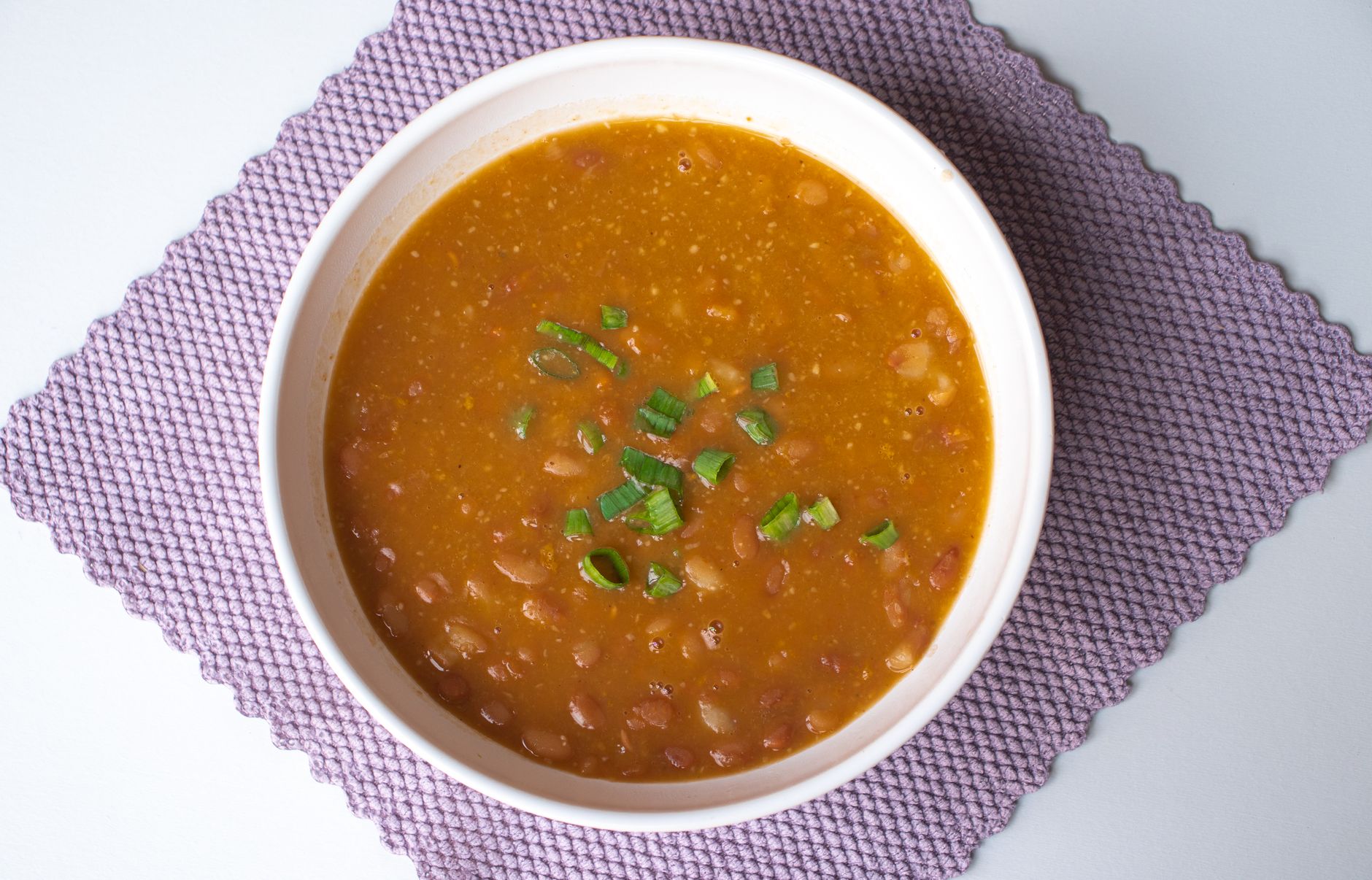
Delicious & Healthy Vegetarian Slow Cooker Recipes
August 11, 2026 17 min read 3,402 words
Effortlessly create nourishing, flavorful plant-based meals with your slow cooker, saving time and stress.
Start Cooking Now!
The Allure of Healthy Vegetarian Slow Cooker Recipes
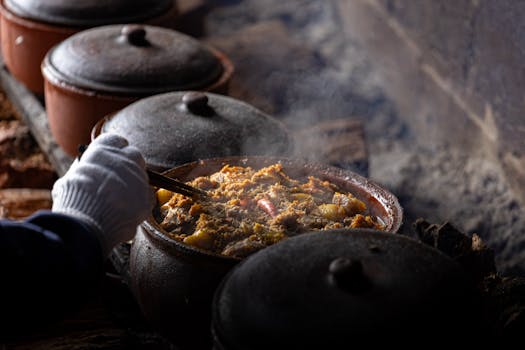 Photo: Hồng Quang Official / Pexels
In our fast-paced lives, finding the time to prepare nutritious meals can often feel like an insurmountable challenge. This is where the humble slow cooker emerges as a kitchen hero, especially for those embracing a vegetarian lifestyle. The concept of 'set it and forget it' isn't just a catchy phrase; it's a practical solution for consistently delivering healthy, flavorful, and satisfying plant-based dishes with minimal effort. Healthy vegetarian slow cooker recipes are more than just convenient; they represent a paradigm shift in how we approach meal preparation, transforming a potentially stressful daily chore into an act of culinary ease.
The beauty of slow cooking lies in its ability to coax deep, complex flavors from simple ingredients. Vegetables like root vegetables, hearty greens, and various squashes become incredibly tender and sweet, while legumes such as lentils, chickpeas, and beans absorb the aromatic spices and broths, creating a rich, cohesive dish. Unlike stovetop or oven cooking where active monitoring is often required, a slow cooker maintains a consistent, low temperature over several hours. This gentle heat breaks down tough fibers, allows spices to bloom, and ensures an even cook, resulting in dishes that are often superior in texture and taste to their faster-cooked counterparts.
For those focused on health, the benefits are manifold. Vegetarian slow cooker recipes naturally lean towards whole, unprocessed foods. They are typically packed with fiber from vegetables and legumes, which aids digestion, promotes satiety, and helps manage blood sugar levels. They are often low in saturated fat and cholesterol, contributing to cardiovascular health. Furthermore, using a slow cooker for these recipes often means fewer added oils and fats than other cooking methods, as the enclosed environment steams and braises ingredients in their own juices or minimal liquid. This preserves nutrients and keeps calorie counts in check, making them an excellent choice for weight management or simply maintaining a balanced diet.
Consider the practical advantages: imagine coming home after a long day to the enticing aroma of a ready-made, warm meal. No last-minute chopping, no frantic stirring, no multiple pans to wash. A healthy vegetarian slow cooker meal can be prepared in the morning or even the night before, allowing you to reclaim precious evening hours. This convenience is particularly valuable for busy professionals, parents, or anyone looking to reduce their reliance on takeout and processed foods. It empowers you to eat well, even when time is scarce. Moreover, slow cookers are incredibly energy-efficient, using less electricity than an oven for comparable cooking times, which is a small but welcome bonus.
Beyond the daily convenience, these recipes are also fantastic for meal prepping. A single batch can yield several servings, providing healthy lunches or dinners for multiple days. This not only saves time but also reduces food waste and helps you stick to your dietary goals. The versatility is another key factor; from hearty stews and chilis to comforting curries and even unique breakfast options, the range of healthy vegetarian slow cooker recipes is truly expansive. Experimenting with different spice blends and vegetables keeps meals exciting and ensures you're getting a wide array of nutrients. Embracing the slow cooker for your vegetarian meals is an investment in your health, your time, and your culinary enjoyment. It’s a simple yet profound way to nourish your body and soul, one delicious, effortless meal at a time. For more tips on healthy eating, check out our guide on
easy healthy meal prep ideas.
Essential Ingredients for Nutritious Slow Cooker Vegetarian Meals
 Photo: Kyle Killam / Pexels
Crafting truly healthy and delicious vegetarian slow cooker meals begins with understanding the essential building blocks. While the slow cooker does most of the heavy lifting, selecting the right ingredients ensures both maximum flavor and nutritional impact. A well-stocked pantry and refrigerator are your allies in this culinary journey, allowing for spontaneous and satisfying creations. Let's delve into the core components that make these meals shine, focusing on their health benefits and how they perform in a slow cooker.
Legumes are undoubtedly the superstars of vegetarian slow cooking. Chickpeas, black beans, kidney beans, cannellini beans, and various types of lentils (brown, green, red) are rich in plant-based protein, dietary fiber, and essential minerals like iron, folate, and magnesium. They hold up beautifully during long cooking times, becoming wonderfully tender and absorbing the flavors of the surrounding liquids and spices. For instance, a hearty lentil stew or a black bean chili showcases the versatility and nutritional prowess of these legumes. Canned legumes are convenient, but dried legumes, when pre-soaked (though often not strictly necessary for slow cooking, it can reduce cooking time and improve digestibility), offer an even more economical and often superior texture.
Next, a vibrant array of vegetables is crucial for both nutrition and taste. Root vegetables like carrots, potatoes (sweet and regular), parsnips, and turnips are excellent choices as they become incredibly tender and sweet when slow-cooked. Hardier greens such as kale and collard greens can be added towards the end of the cooking cycle to retain some texture and vibrant color, or earlier for a softer, more integrated component. Onions, garlic, and celery form the aromatic foundation for many dishes, releasing their flavors slowly and deeply. Bell peppers, zucchini, and eggplant also fare well, though softer vegetables like spinach or mushrooms are best added in the last hour to prevent them from becoming overly mushy.
Grains and starches can transform a simple stew into a complete meal. Farro, barley, and steel-cut oats are fantastic options for slow cooker recipes, adding chewiness, fiber, and sustained energy. They cook down slowly, absorbing liquids and becoming wonderfully tender. While rice can be cooked in a slow cooker, it sometimes requires more precise liquid ratios to avoid a gummy texture; often, it's easier to cook rice separately and add it at serving time. Quinoa is another excellent, high-protein grain that can be added towards the end of the cooking cycle or served alongside.
Don't underestimate the power of liquids and flavor enhancers. Vegetable broth is a staple, providing a savory base without animal products. Canned diced tomatoes, crushed tomatoes, and tomato paste add depth and acidity, balancing richness. Coconut milk, especially full-fat, lends a creamy texture and subtle sweetness to curries and stews. For spices and herbs, think globally: cumin, coriander, turmeric, smoked paprika, chili powder, oregano, thyme, and bay leaves are just a few that thrive in the slow cooker's environment, their flavors slowly infusing the entire dish. Fresh herbs like cilantro or parsley are best stirred in just before serving to preserve their bright, fresh notes. Incorporating these ingredients thoughtfully ensures your healthy vegetarian slow cooker meals are not only convenient but also bursting with flavor and packed with goodness.
Finally, don't forget healthy fats and acid. A splash of olive oil or avocado oil can be used to sauté aromatics before adding them to the slow cooker, enhancing their flavor. A squeeze of fresh lemon or lime juice at the end of cooking can brighten the entire dish, cutting through richness and awakening the palate. Nutritional yeast can also be a fantastic addition for a cheesy, umami flavor, especially in dishes like a vegan mac and cheese or creamy soups. By combining these essential components, you're set to create an endless variety of incredibly satisfying and healthy slow cooker vegetarian masterpieces.
Transforming Classic Comforts into Healthy Vegetarian Slow Cooker Recipes
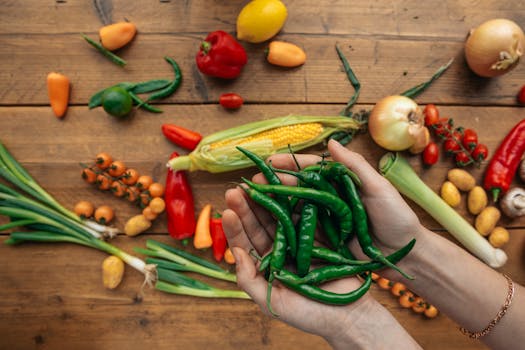 Photo: Viktoria Slowikowska / Pexels
The slow cooker is an unparalleled tool for recreating beloved comfort foods with a healthy, vegetarian twist. Many traditional hearty dishes, often meat-centric, can be effortlessly adapted, proving that 'healthy' doesn't mean sacrificing flavor or satisfaction. The key lies in strategic ingredient substitutions and harnessing the slow cooker's ability to meld flavors into a cohesive, comforting whole. Imagine savoring a rich, deeply flavored stew or a robust chili, knowing it's packed with plant-based goodness and minimal effort. This section will explore how to transform these classics into healthy vegetarian slow cooker recipes that will become instant family favorites.
One of the most popular comfort foods, chili, is incredibly adaptable to a vegetarian slow cooker format. Instead of ground meat, utilize a combination of various beans (kidney, black, pinto) and lentils. Add diced bell peppers, onions, corn, and fire-roasted tomatoes for depth. Smoked paprika, chili powder, cumin, and a touch of unsweetened cocoa powder (yes, cocoa!) will give it that complex, slow-cooked flavor profile. The slow cooker allows these spices to fully bloom and infuse the beans, creating a chili that's both hearty and incredibly satisfying. Serve with a dollop of plain Greek yogurt or a sprinkle of fresh cilantro for a vibrant finish. This approach not only makes it healthier but often more flavorful due to the diverse textures and tastes of the legumes and vegetables.
Stews are another prime candidate for vegetarian slow cooker transformation. Think beyond beef stew; envision a rich root vegetable and mushroom stew. Hearty cremini or portobello mushrooms provide an umami depth often associated with meat. Combine them with chunky carrots, potatoes, parsnips, and celery. A robust vegetable broth, a splash of red wine (optional, but highly recommended for depth), bay leaves, and fresh thyme will create an incredibly aromatic and fulfilling meal. Adding pearl barley or farro can thicken the stew and add a chewy texture, making it a complete meal in one pot. This kind of stew is not only comforting but also a powerhouse of vitamins and minerals, perfect for colder months.
Even dishes like 'pulled pork' sandwiches can find a vegetarian slow cooker counterpart. Jackfruit, when slow-cooked, shreds beautifully and absorbs flavors remarkably well, mimicking the texture of pulled meat. Cook it with a smoky BBQ sauce (ensure it's low in sugar for a healthier option), onions, and a splash of apple cider vinegar. After several hours, shred the jackfruit with forks directly in the slow cooker. Serve it on whole-wheat buns with a fresh coleslaw for a guilt-free, incredibly delicious sandwich. This innovative use of plant-based ingredients demonstrates the versatility of healthy vegetarian slow cooker recipes.
Curries and dals also shine in the slow cooker. A creamy coconut lentil curry or a chickpea and spinach curry can be prepared with minimal fuss. Sautéing the aromatics (onions, garlic, ginger) and spices (turmeric, garam masala, cumin) briefly before adding them to the slow cooker with coconut milk, lentils/chickpeas, and vegetables like sweet potatoes or cauliflower ensures maximum flavor. The slow cooking process allows the spices to fully meld into the creamy base, creating a deeply aromatic and comforting dish. Serve with brown rice or whole-wheat naan for a complete and wholesome meal. This method often results in a more cohesive and flavorful curry than quicker stovetop versions. The convenience factor of coming home to a fully cooked, aromatic curry after a long day is truly unparalleled, making these healthy vegetarian slow cooker recipes a game-changer for busy individuals. For more innovative cooking ideas, consider exploring
creative vegetarian meal prep strategies.
Tips for Success and Common Mistakes to Avoid with Vegetarian Slow Cooker Recipes
Mastering healthy vegetarian slow cooker recipes involves a few key tips and an awareness of common pitfalls. While the slow cooker is forgiving, a little forethought can elevate your meals from good to exceptional. Understanding how different ingredients behave under prolonged, low heat is crucial for consistent success. Here are essential tips for slow cooker excellence and mistakes to sidestep, ensuring every meal is a triumph.
**Tips for Success:**
* **Layering Matters:** Place denser, slower-cooking vegetables (like potatoes, carrots, and squash) at the bottom of the slow cooker, closer to the heat source. Lighter, quicker-cooking ingredients (like bell peppers, zucchini, or leafy greens) can go on top or be added later in the cooking process to prevent them from turning to mush.
* **Don't Overfill:** A slow cooker works best when it's between half and two-thirds full. Overfilling can lead to uneven cooking and longer cooking times, while underfilling can cause food to dry out or burn.
* **Adjust Liquid Levels:** Slow cookers retain a lot of moisture. Most recipes will call for less liquid than stovetop versions. Start with less and add more if needed, especially if your vegetables release a lot of water. For very thick stews, you might even omit some liquid.
* **Sauté Aromatics First (Optional but Recommended):** While not strictly necessary, quickly sautéing onions, garlic, and spices in a pan before adding them to the slow cooker can significantly deepen their flavor. This extra step builds a more complex base for your dish.
* **Add Fresh Herbs and Acid at the End:** Delicate fresh herbs (cilantro, parsley, basil) and acidic components (lemon juice, lime juice, vinegar) are best stirred in during the last 15-30 minutes of cooking or just before serving. This preserves their vibrant flavor and color, brightening the entire dish.
* **Pre-soak Dried Beans:** While some slow cooker recipes claim you don't need to pre-soak dried beans, soaking (and sometimes even boiling first) can significantly reduce cooking time and improve digestibility, preventing a 'gassy' outcome. If using dried beans, ensure they are fully cooked before serving.
**Common Mistakes to Avoid:**
* **Lifting the Lid Too Often:** Every time you lift the lid, the internal temperature drops significantly, extending cooking time by 15-20 minutes. Resist the urge to peek! Let the slow cooker do its job undisturbed.
* **Overcooking Soft Vegetables:** Adding delicate vegetables like spinach, mushrooms, or peas at the beginning of a long cooking cycle will likely result in a mushy texture. Incorporate them in the last 30-60 minutes.
* **Not Adjusting for Altitude:** If you live at high altitudes, cooking times may need to be increased. This is a common oversight that can lead to undercooked food.
* **Using Too Much Liquid:** As mentioned, slow cookers are efficient at retaining moisture. Too much liquid will result in a watery, flavorless dish. Err on the side of less liquid than you'd use for stovetop cooking.
* **Forgetting to Brown Ingredients:** While not always essential for vegetarian dishes, browning certain vegetables (like mushrooms or onions) before adding them to the slow cooker can add a layer of rich, caramelized flavor that can't be achieved by simply slow cooking them raw.
* **Ignoring Food Safety:** Always ensure your slow cooker reaches a safe temperature (above 140°F/60°C) quickly, especially if adding raw ingredients. Don't leave food out at room temperature for extended periods before putting it in the slow cooker.
By following these guidelines and avoiding common missteps, you’ll consistently create healthy, delicious, and perfectly cooked vegetarian meals with your slow cooker. It’s a simple appliance, but understanding its nuances can unlock a world of culinary possibilities, making your meal prep easier and your dining experience more enjoyable.