Healthy Meal Prep Ideas for Beginners: Your Easy Guide
healthy meal prep ideas for beginners

Healthy Meal Prep Ideas for Beginners: Your Easy Guide

Transform your eating habits and reclaim your time with simple, healthy meal prep strategies tailored for novices.

Start Prepping Today!

Key Takeaways

  • ✓ Meal prepping saves an average of 5-10 hours per week.
  • ✓ Individuals who meal prep are more likely to meet their nutritional goals.
  • ✓ Starting with 1-2 meals per week is a sustainable approach for beginners.
  • ✓ Proper food storage is crucial for meal prep safety and longevity.

How It Works

1
Plan Your Meals

Decide which meals you want to prep for the week, focusing on 1-2 main dishes. Consider your dietary preferences and available time.

2
Shop Smart

Create a detailed grocery list based on your chosen recipes. Stick to the list to avoid impulse buys and ensure you have all necessary ingredients.

3
Prep & Cook

Dedicate a block of time, typically 2-3 hours, to wash, chop, cook, and portion your ingredients. Focus on efficiency and multitasking.

4
Store Properly

Portion your prepared meals into airtight containers. Label them with dates and refrigerate or freeze as appropriate to maintain freshness.

Why Embrace Healthy Meal Planning for Beginners?
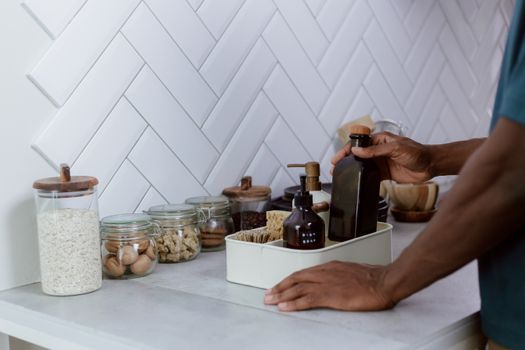
A person tidily organizes a kitchen counter with reusable glass jars and bottles. Photo: Ron Lach / Pexels
Embarking on a journey to healthier eating can feel overwhelming, especially when life's demands pull you in a million directions. This is where healthy meal planning for beginners steps in as your ultimate ally. It's not just about cooking ahead; it's a strategic lifestyle shift that empowers you to take control of your nutrition, time, and budget. Imagine waking up knowing your breakfast is ready, or coming home to a pre-made, nutritious dinner without the stress of last-minute cooking decisions or the temptation of unhealthy takeout. That's the power of meal prep. For beginners, the concept might seem daunting – a kitchen full of containers, hours spent cooking, and complex recipes. However, the beauty of healthy meal prep lies in its adaptability. You don't need to be a gourmet chef or dedicate an entire Sunday to cooking for the whole week. Starting small, perhaps by prepping just a few breakfasts or lunches, can yield significant benefits. It helps you build confidence in the kitchen, understand portion control, and familiarize yourself with healthy ingredient combinations. Moreover, it creates a buffer against impulsive, unhealthy food choices that often arise from hunger and lack of time. By having delicious, wholesome meals readily available, you drastically reduce the chances of reaching for processed snacks or ordering expensive, calorie-dense restaurant food. This proactive approach to eating not only supports weight management and energy levels but also fosters a deeper connection with the food you consume. It allows you to consciously choose ingredients that nourish your body, free from hidden sugars, unhealthy fats, and excessive sodium often found in convenience foods. The initial investment of time in planning and prepping pays dividends throughout the week in the form of increased well-being, reduced stress, and often, substantial financial savings. Discover simple ways to start your meal prep journey and witness how this habit can profoundly transform your daily routine and long-term health. It's about setting yourself up for success, one prepared meal at a time, making healthy eating an effortless and enjoyable part of your life rather than a constant struggle.

Essential Tools and Core Ingredients for Easy Meal Prep Recipes
Fresh herbs and a chef knife on a wooden surface with copy space. Photo: Lukas Blazek / Pexels
Before diving into the delicious world of easy meal prep recipes, equipping your kitchen with a few essential tools and stocking your pantry with core ingredients will set you up for success. You don't need a professional kitchen, but having the right basics makes the process smoother and more efficient. For tools, invest in good quality, airtight food storage containers. Glass containers are excellent as they are microwave-safe, oven-safe, and don't stain or retain odors like some plastics. Look for containers with multiple compartments if you plan on separating components of your meals, like protein from vegetables. A sharp chef's knife and a sturdy cutting board are indispensable for efficient chopping and dicing. A large mixing bowl, a few baking sheets, and a couple of reliable saucepans or pots will cover most of your cooking needs. For those looking to optimize time, a slow cooker or an Instant Pot can be a game-changer for preparing large batches of proteins or stews with minimal effort. Don't forget a kitchen scale for accurate portioning, especially if you're tracking macros. Moving on to core ingredients, think versatile staples that can form the base of many different meals. Grains like brown rice, quinoa, whole wheat pasta, and oats are excellent choices for complex carbohydrates. For lean proteins, stock up on chicken breasts, turkey mince, lean ground beef, canned tuna, eggs, lentils, and canned beans. These can be cooked in various ways and incorporated into countless dishes. A wide array of fresh and frozen vegetables is crucial for fiber and nutrients. Broccoli, spinach, bell peppers, carrots, sweet potatoes, and mixed frozen vegetables are fantastic options that hold up well to prepping. Healthy fats come from sources like olive oil, avocado oil, nuts, seeds (chia, flax, hemp), and avocados. Finally, don't underestimate the power of herbs and spices to elevate your meals without adding extra calories. Garlic powder, onion powder, paprika, cumin, Italian seasoning, and chili powder are great starting points. Having a well-stocked pantry with these items means fewer last-minute grocery runs and more flexibility in creating diverse and flavorful meals. By focusing on these core ingredients, you'll find that many easy meal prep recipes become incredibly accessible, allowing you to create healthy, delicious, and budget-friendly meals with ease.

Top Healthy Meal Prep Ideas for Beginners: Simple & Delicious
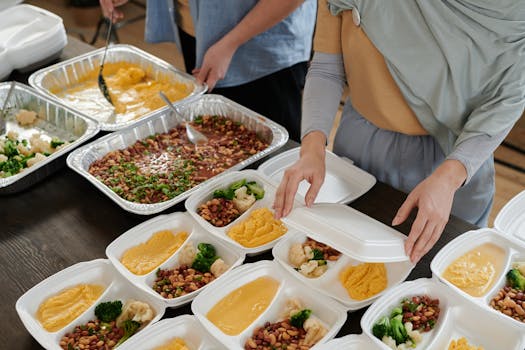
Preparing various lunch boxes with vegetables, beans, and hummus for meal distribution. Photo: Julia M Cameron / Pexels
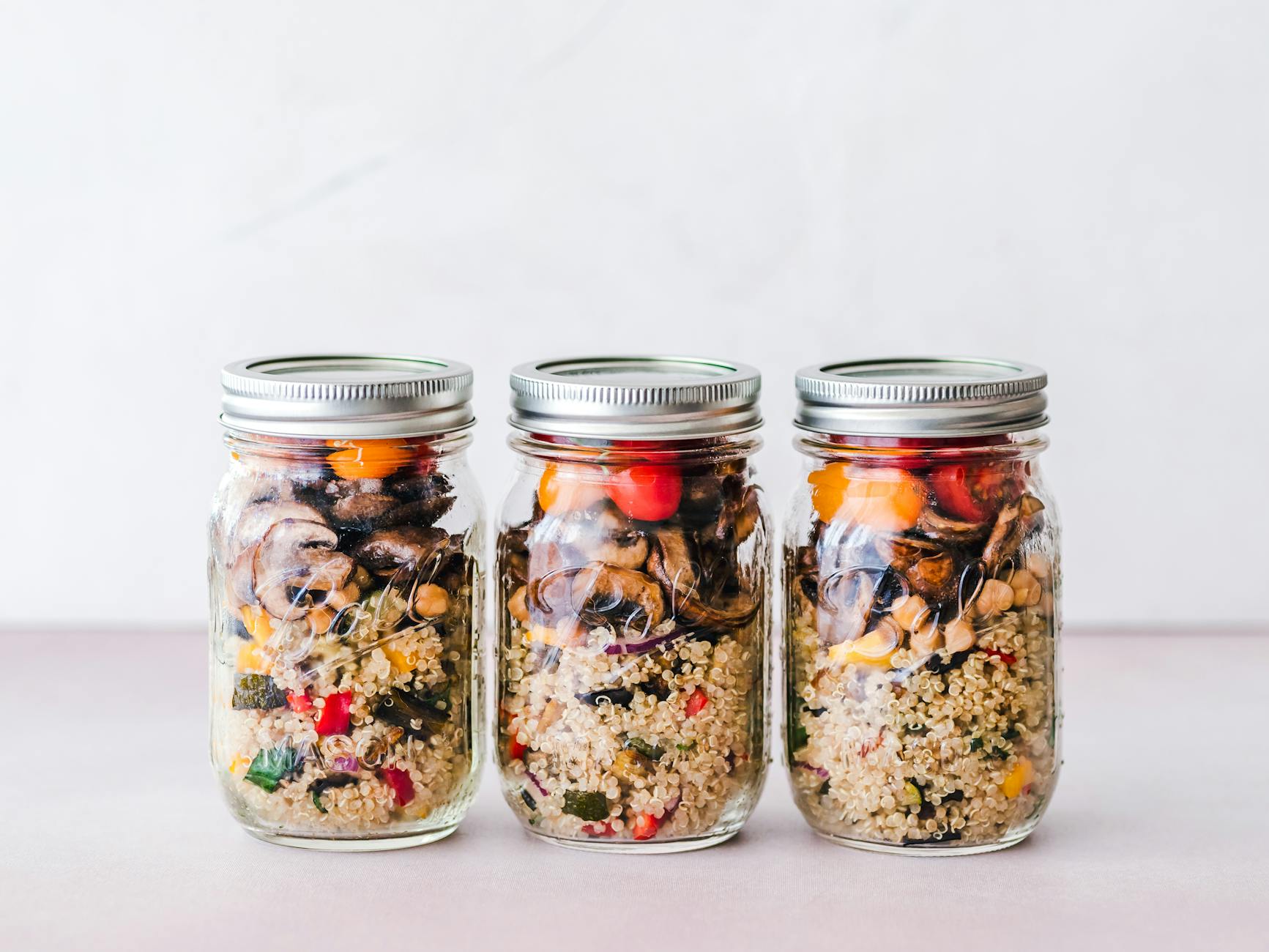
Now for the exciting part – diving into some top healthy meal prep ideas for beginners that are both simple to execute and incredibly delicious. The key here is to start with recipes that don't require extensive cooking skills or exotic ingredients, focusing on balanced meals that are satisfying and nutritious. One of the most popular and versatile ideas is the 'Sheet Pan Meal Prep.' This involves tossing proteins (like chicken or sausage) and vegetables (broccoli, bell peppers, zucchini) with olive oil and seasonings, then roasting them all on a single sheet pan. It minimizes cleanup and results in tender, flavorful components that can be mixed and matched throughout the week. Pair it with a pre-cooked grain like quinoa or brown rice for a complete meal. Another fantastic beginner-friendly option is 'Overnight Oats.' This requires zero cooking and is perfect for busy mornings. Simply combine rolled oats, milk (dairy or non-dairy), chia seeds, and your choice of sweetener (maple syrup, honey) in a jar. Refrigerate overnight, and in the morning, top with fresh fruit, nuts, or a dollop of Greek yogurt. This is a customizable and highly nutritious breakfast that keeps you full until lunch. For lunches, consider 'Mason Jar Salads.' Layer your dressing at the bottom, followed by hard vegetables (carrots, cucumbers), then softer vegetables (cherry tomatoes, bell peppers), your protein (grilled chicken, chickpeas), and finally, leafy greens on top. When you're ready to eat, simply shake the jar into a bowl, and you have a fresh, crisp salad. These salads are not only visually appealing but also prevent sogginess, making them ideal for several days of storage. For dinner, 'Batch Cooking Soups or Chilis' is a lifesaver. A large pot of lentil soup, chicken and vegetable soup, or a hearty turkey chili can provide several servings that freeze beautifully. These one-pot wonders are packed with nutrients, fiber, and protein, making them satisfying and easy to reheat. Similarly, prepping 'Baked Chicken or Fish with Roasted Veggies' in larger quantities allows you to have a healthy protein source ready to go. You can season the chicken or fish differently each time to avoid flavor fatigue. Remember, the goal is to make healthy eating accessible and enjoyable. Experiment with these ideas, adjust them to your taste, and soon you'll be creating your own repertoire of go-to healthy meal prep ideas for beginners. Explore more healthy and easy weeknight dinner ideas to expand your meal prep horizons and keep your taste buds excited. The simplicity of these methods ensures that even the busiest beginner can successfully integrate meal prepping into their routine, leading to sustained healthy eating habits.

Smart Tips and Common Mistakes to Avoid in Meal Prepping
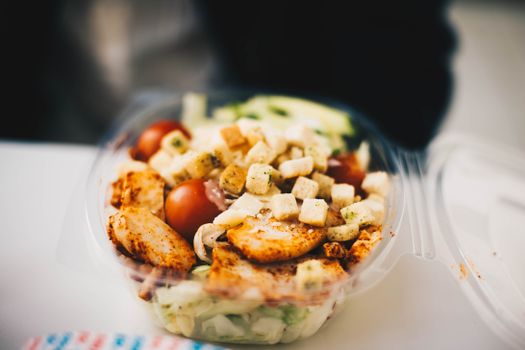
Delicious chicken salad with fresh greens and croutons, perfect for a healthy meal. Photo: Kristina Paukshtite / Pexels
To truly master healthy meal prep, especially as a beginner, it's crucial to adopt smart strategies and learn from common pitfalls. One of the most important tips is to start small. Don't try to prep every single meal for the entire week on your first attempt. Begin with just one meal, like lunches for three days, or breakfast for the week. This gradual approach prevents burnout and allows you to refine your process. Another smart tip is to choose recipes that share common ingredients or cooking methods. For instance, if you're roasting chicken for one meal, roast some extra vegetables at the same time for another meal. This minimizes prep time and maximizes efficiency. Utilize your freezer! Many cooked components like grains, cooked proteins, soups, and stews freeze exceptionally well, extending their shelf life and allowing for even longer-term planning. Always let food cool completely before portioning and refrigerating/freezing to prevent condensation, which can lead to bacterial growth and soggy food. Invest in quality airtight containers to maintain freshness and prevent leaks. Common mistakes to avoid include: * **Over-prepping:** Making too much food can lead to waste if you don't eat it all before it spoils or if you get tired of the same meal. Start with conservative amounts. * **Lack of Variety:** Eating the exact same meal for five days can lead to flavor fatigue and make healthy eating feel like a chore. Try to incorporate different spices, sauces (added just before eating), or slightly varied ingredients to keep things interesting. * **Neglecting Storage:** Improper storage is a leading cause of spoiled food. Always use clean, airtight containers and adhere to safe refrigeration and freezing guidelines. Know the shelf life of your prepped meals (typically 3-4 days in the fridge). * **Forgetting Snacks:** Many beginners focus solely on main meals but overlook healthy snacks, leading to unhealthy choices between meals. Prep some fruit, veggie sticks with hummus, or portion out nuts and seeds. * **Ignoring Dietary Needs:** Ensure your prepped meals align with your specific dietary requirements and preferences. Don't force yourself to eat foods you dislike, as this will make meal prep unsustainable. * **Not Planning for Leftovers:** If you're cooking a large dinner one night, plan to make extra and use it as a component for a prepped lunch the next day. This is a form of meal prepping without dedicated 'prep time.' By keeping these tips in mind and actively avoiding these common mistakes, your journey into healthy meal prepping will be much smoother and more successful, leading to sustainable healthy eating habits.

Comparison

FeatureBest Option for BeginnersAlternative (Intermediate)Advanced Option
Prep Time1-2 hours/week2-4 hours/week4+ hours/week
Meal Focus1-2 meals (e.g., lunch)All main mealsAll meals + snacks
Recipe ComplexitySimple, few ingredientsModerate, some varietyComplex, diverse cuisines
Storage ContainersBasic airtight (plastic/glass)Sectioned containersVacuum sealers, specialized
VarietyLimited (2-3 dishes)Moderate (3-5 dishes)High (5+ dishes)
Cost Savings
Learning CurveLowMediumHigh

What Readers Say

"These healthy meal prep ideas for beginners completely changed my weeknights. I used to order takeout constantly, but now I have delicious, nutritious meals ready. It’s so much easier than I thought!"

Sarah J. · Austin, TX

"As a total cooking novice, I was intimidated by meal prep. This guide broke it down into manageable steps and the recipes were incredibly simple. I'm finally eating healthier consistently."

Mark D. · Chicago, IL

"Following these tips, I've lost 5 pounds in a month just by having healthy lunches prepped. The mason jar salads are a game-changer for my busy work schedule and keep me on track."

Jessica L. · Miami, FL

"The initial planning took a little longer than I expected, but the payoff during the week is huge. I appreciate the emphasis on starting small; it made it much less overwhelming. Good advice overall."

David K. · Denver, CO

"I travel frequently for work and used to struggle with healthy eating on the go. Now, I prep components like roasted veggies and chicken, which I can easily pack or combine with fresh ingredients upon arrival. So flexible!"

Emily R. · Seattle, WA

Frequently Asked Questions

What are the absolute best healthy meal prep ideas for beginners to start with?

For beginners, focusing on versatile, one-pan meals or simple batch-cooked components is ideal. Sheet pan chicken and veggies, overnight oats, mason jar salads, or a large batch of lentil soup are excellent starting points. These recipes require minimal cooking skills and offer great nutritional value while being easy to store and reheat.

Is meal prepping really worth the effort for someone new to cooking?

Absolutely! Meal prepping is incredibly worth it, even for novices. While it requires an initial time investment, it saves countless hours during the week, reduces stress over meal decisions, helps control portions, and significantly cuts down on unhealthy takeout. It's a foundational skill for building sustainable healthy eating habits.

How do I safely store meal prepped food to ensure it lasts?

To safely store meal prepped food, always allow cooked food to cool completely before portioning into airtight containers. Refrigerate promptly within two hours of cooking. Most prepped meals will last 3-4 days in the refrigerator. For longer storage, freeze meals in freezer-safe containers, where they can last for 2-3 months.

What's the typical cost saving for someone who starts meal prepping?

The cost savings from meal prepping can be substantial. While initial investments in containers or some bulk ingredients might occur, consistently preparing meals at home can save individuals hundreds of dollars per month compared to frequently eating out or buying convenience foods. It allows for better budget control over groceries.

How does meal prepping compare to using a meal kit delivery service for beginners?

Meal prepping offers more flexibility and often greater cost savings than meal kit delivery services. While meal kits provide convenience with pre-portioned ingredients and recipes, they can be more expensive and limit your choice of meals. Meal prepping gives you full control over ingredients, portion sizes, and allows for greater customization and bulk cooking.

Who should definitely consider trying healthy meal prep ideas for beginners?

Anyone looking to save time, eat healthier, manage their budget better, or reduce daily stress around food decisions should consider meal prepping. It's especially beneficial for busy professionals, students, parents, or individuals on a specific fitness or weight management journey who need consistent, nutritious meals readily available.

Are there any health risks associated with meal prepping if done incorrectly?

Yes, improper meal prepping can pose health risks, primarily foodborne illnesses. This includes not cooling food quickly enough, not storing it at safe temperatures, or consuming food past its safe storage duration. Always follow food safety guidelines: cook to proper temperatures, cool rapidly, store in airtight containers, and consume within recommended timeframes.

What new trends are emerging in healthy meal prep for beginners?

Emerging trends include 'component meal prep' where individual ingredients are prepped and then mixed and matched, increasing variety. There's also a growing focus on plant-based meal prep, using more sustainable ingredients, and leveraging smart kitchen appliances like air fryers and multi-cookers for faster, healthier cooking.

Ready to transform your eating habits and simplify your week? Dive into these healthy meal prep ideas for beginners and discover how easy and rewarding it can be to take control of your nutrition. Start small, stay consistent, and enjoy the benefits of a healthier, happier you!

Topics: healthy meal prep ideas for beginnerseasy meal prep recipesbeginner meal planninghealthy weekly mealsmeal prep tips
Leo List

DK Escorts LU Escorts AT Escorts SE Escorts FI Escorts CH Escorts DE Escorts HR Escorts IE Escorts GR Escorts CZ Escorts NO Escorts BE Escorts FR Escorts SI Escorts IL Escorts NL Escorts PL Escorts HU Escorts ES Escorts IT Escorts PT Escorts SK Escorts RO Escorts ZA Escorts UY Escorts US Escorts UK Escorts NZ Escorts AU Escorts
Brampton weed
Adultwork EstrelaBet Vai de Bet R7 Bet Betão Galera Bet Rainbet Bet9ja Shop SportyBet BetKing Sisal Loto Foot Hollywoodbets YesPlay Odibets RushBet Jugabet BetWarrior BetCity MSport betPawa Fortebet