Delicious Vegetarian Recipes for Beginners: Your Easy Start!
June 24, 2026 15 min read 2,980 words
Embark on a flavorful plant-based journey with these straightforward, satisfying, and easy-to-master vegetarian dishes.
Start Cooking Today!
Embracing the Plant-Based Journey: Why Start with Vegetarian Recipes for Beginners?
 Photo: Alexy Almond / Pexels
Embarking on a vegetarian journey can seem like a monumental task, especially if your diet has historically revolved around meat. However, the truth is, it's far easier and more delicious than many people imagine, particularly when you start with well-chosen vegetarian recipes for beginners. This guide is designed to demystify plant-based cooking, offering you a clear, achievable path to incorporating more vibrant, nutritious meals into your life. The reasons for adopting a vegetarian diet are manifold and deeply personal. For some, it's a commitment to environmental sustainability, recognizing the significant impact of animal agriculture on our planet's resources. Others are driven by ethical considerations, seeking to reduce animal suffering. And for a growing number, it's about pursuing significant health benefits, from improved heart health and weight management to a reduced risk of chronic diseases like type 2 diabetes and certain cancers.
But regardless of your motivation, the initial steps can feel overwhelming. Where do you begin? What ingredients do you need? How do you ensure you're getting enough protein and other essential nutrients? These are common and valid concerns. That's precisely why focusing on vegetarian recipes for beginners is crucial. These recipes are specifically crafted to be straightforward, utilizing readily available ingredients and simple cooking techniques. They aim to build your confidence in the kitchen, proving that plant-based meals can be both incredibly satisfying and easy to prepare. You don't need to be a gourmet chef or possess an encyclopedic knowledge of exotic ingredients. Instead, you'll learn to harness the power of everyday vegetables, grains, legumes, and spices to create meals that are bursting with flavor and nutritional value. The beauty of starting simple is that it allows for gradual adaptation. You don't have to overhaul your entire diet overnight. Many people find success by incorporating one or two vegetarian meals into their weekly routine and slowly increasing that number as they become more comfortable and discover new favorites. This approach minimizes feelings of deprivation and maximizes enjoyment, making the transition feel natural and sustainable.
Furthermore, exploring vegetarian cuisine opens up a whole new world of culinary experiences. You'll discover diverse flavors, textures, and ingredients you might never have considered before. Think of vibrant curries, hearty stews, crisp salads, and comforting pasta dishes – all made entirely from plants. This journey is not about restriction; it's about expansion and discovering the incredible versatility of plant-based foods. By focusing on fundamental techniques and accessible ingredients, these beginner-friendly recipes will equip you with the skills and confidence to build a solid foundation in vegetarian cooking. You'll learn how to properly season vegetables, cook grains to perfection, and combine ingredients to create balanced and delicious meals. So, whether you're looking to dip your toes into Meatless Mondays or fully embrace a plant-based lifestyle, this guide to
easy vegetarian cooking is your perfect starting point. Get ready to transform your plate and delight your taste buds with wholesome, plant-powered goodness.
Essential Ingredients and Kitchen Tools for Beginner Vegetarian Cooks
 Photo: RDNE Stock project / Pexels
Before diving into specific vegetarian recipes for beginners, it’s incredibly helpful to equip your kitchen with a few foundational ingredients and basic tools. You don't need a professional chef's arsenal, but having these staples on hand will make your cooking experience smoother, more efficient, and ultimately more enjoyable. Think of this as your vegetarian starter pack, designed to minimize last-minute grocery runs and maximize your culinary potential.
Let's start with pantry staples. Legumes are the backbone of many vegetarian diets, providing essential protein and fiber. Stock up on canned beans (black beans, chickpeas, kidney beans) for convenience, and dried lentils (red, green, brown) for their versatility and cost-effectiveness. Grains like brown rice, quinoa, and whole wheat pasta are crucial for building satisfying meals and offering complex carbohydrates. Don't forget oats for breakfasts and baking. A good selection of dried herbs and spices is non-negotiable for flavor. Cumin, coriander, paprika, garlic powder, onion powder, oregano, basil, and chili powder are excellent starting points. Olive oil and a neutral cooking oil (like canola or vegetable oil) are essential, as is a quality vinegar (apple cider or white wine). Canned diced tomatoes, tomato paste, and vegetable broth are also fantastic for building flavorful bases for soups, stews, and sauces.
Beyond the dry goods, fresh produce is where the magic happens. While specific recipes will call for specific items, always try to have a rotating selection of common vegetables. Onions, garlic, carrots, celery, bell peppers, spinach, and potatoes are incredibly versatile and can form the basis of countless dishes. Lemons and limes are also great for adding brightness to almost any meal. For protein beyond legumes, consider firm or extra-firm tofu, which can be pressed and marinated to absorb flavors beautifully. Eggs (if you include them) are another quick protein source.
Now, for kitchen tools. You likely already own most of these, but it's worth a quick check. A good quality chef's knife and a sturdy cutting board are paramount for safe and efficient vegetable prep. Invest in at least one large skillet or frying pan, a medium-sized saucepan, and a large pot for boiling pasta or making soups. A colander for draining pasta and rinsing beans, measuring cups and spoons for accuracy, and a spatula are also essential. A can opener, a peeler, and a grater will also come in handy. As you advance, you might consider additions like a food processor or an immersion blender, but for beginners, these basic items are more than sufficient. The key is to have a well-organized, functional kitchen that encourages experimentation rather than intimidation. With these essentials in your pantry and on your counter, you'll be well-prepared to tackle any of the delicious vegetarian recipes for beginners that lie ahead, transforming simple ingredients into wholesome, satisfying meals without a hitch.
Building Flavor: Simple Techniques for Delicious Vegetarian Meals
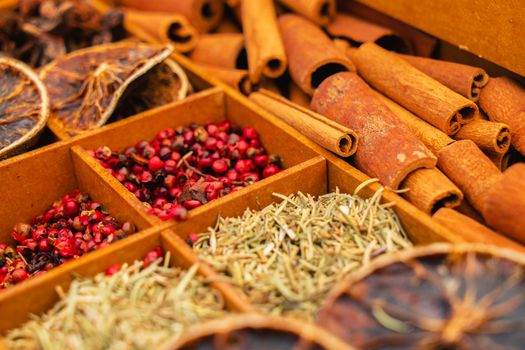 Photo: Lucas Andrade / Pexels
One of the most common misconceptions about vegetarian food, especially for beginners, is that it lacks flavor or can be bland. This couldn't be further from the truth! The secret to truly delicious vegetarian recipes for beginners lies in understanding how to layer and build flavor using plant-based ingredients and simple cooking techniques. You don't need meat to create deeply savory, aromatic, and satisfying dishes; you just need to know how to coax the best out of your vegetables, grains, and spices.
The foundation of flavor often starts with aromatics. Onions, garlic, and celery (the 'holy trinity' in many cuisines) are your best friends. Sautéing them gently in a good quality oil until softened and fragrant releases their essential oils and forms a delicious base for almost any dish. Don't rush this step; allowing these ingredients to caramelize slightly adds a depth of sweetness and umami that elevates the entire meal. Similarly, don't underestimate the power of herbs and spices. Fresh herbs like cilantro, parsley, basil, and dill add vibrant, fresh notes when stirred in at the end of cooking. Dried spices, on the other hand, benefit from being 'bloomed' in hot oil for a few seconds before other ingredients are added. This process awakens their flavors and aromas, making them more potent and integrated into the dish. Think about toasting cumin seeds or frying a pinch of turmeric at the beginning of a curry.
Another crucial technique is roasting. Roasting vegetables like broccoli, cauliflower, carrots, sweet potatoes, and bell peppers brings out their natural sweetness and creates a wonderful caramelized crust. A simple drizzle of olive oil, salt, and pepper is often all you need, but you can experiment with herbs like rosemary or thyme, or spices like paprika or chili powder. Roasted vegetables can be a fantastic side dish, added to salads, or incorporated into grain bowls. Marinades are also incredibly effective, especially for ingredients like tofu, tempeh, or even mushrooms. A good marinade—often a blend of oil, acid (like lemon juice or vinegar), soy sauce, and spices—can infuse these ingredients with incredible flavor before cooking, making them much more appealing.
Don't forget the importance of umami. Nutritional yeast, mushrooms (especially cremini or shiitake), sun-dried tomatoes, and even a splash of soy sauce or tamari can add that savory, meaty depth that some beginners might feel is missing. A squeeze of fresh lemon or lime juice at the end of cooking can brighten flavors and tie everything together. Finally, taste as you go! Adjust seasonings, add a pinch more salt, a dash of heat, or a squeeze of citrus until the dish sings. By mastering these simple flavor-building techniques, you'll quickly discover that vegetarian cooking is not just about health; it's about crafting incredibly flavorful and satisfying meals that will impress even the most ardent meat-eaters. Explore these techniques and watch your
plant-based cooking skills flourish.
Common Pitfalls and How to Avoid Them When Cooking Vegetarian for Beginners
 Photo: Kampus Production / Pexels
Starting a vegetarian diet can be an exciting culinary adventure, but like any new endeavor, there are common pitfalls that beginners often encounter. Recognizing these challenges upfront can help you navigate them smoothly, ensuring your journey into vegetarian cooking is enjoyable and sustainable. Avoiding these mistakes is key to maintaining enthusiasm and making plant-based eating a long-term success, especially when working with vegetarian recipes for beginners.
One of the most frequent errors is falling into the 'pasta and cheese' trap. While incredibly comforting, relying solely on highly processed or cheese-heavy vegetarian meals can lead to an unbalanced diet lacking in essential nutrients. Many beginners, unsure of how to get protein or fiber, might inadvertently fill up on less nutritious options. The solution? Focus on variety. Explore different types of legumes, whole grains, nuts, seeds, and a wide array of vegetables. Think beyond just one or two go-to meals and actively seek out recipes that showcase diverse ingredients.
Another common issue is inadequate meal planning, leading to hunger or resorting to unhealthy convenience foods. When you're new to vegetarianism, it's easy to feel lost at meal times if you haven't thought ahead. To combat this, spend a little time each week planning your meals. This doesn't have to be complicated; even just jotting down a few ideas for breakfast, lunch, and dinner can make a huge difference. Consider meal prepping some components, like cooking a batch of quinoa or chopping vegetables, to save time during the week.
Many beginners also worry about protein deficiency. While it's true that meat is a primary protein source for many, plants offer an abundance of protein. The key is to ensure you're consuming a variety of protein-rich plant foods throughout the day. Lentils, beans, chickpeas, tofu, tempeh, edamame, quinoa, nuts, seeds, and even many vegetables (like broccoli and spinach) all contribute to your protein intake. Don't obsess over combining specific proteins at every meal; as long as you eat a varied diet, your body will get what it needs.
Finally, don't be afraid of flavor. As discussed, a lack of flavor can be a major deterrent. Beginners might shy away from spices or proper seasoning. Embrace herbs, spices, acids (lemon/lime juice, vinegars), and savory elements like nutritional yeast or soy sauce. Taste your food as you cook and adjust. It’s also crucial to not expect every dish to be an instant hit. Like any skill, cooking takes practice. Some recipes might not turn out perfectly, and that’s okay. Learn from it, adjust for next time, and keep exploring. By being mindful of these common pitfalls, you can confidently navigate the world of vegetarian cooking and enjoy a truly rewarding plant-based lifestyle.
List of Common Pitfalls and Solutions:
* **Pitfall:** Relying on processed vegetarian alternatives. **Solution:** Focus on whole, unprocessed ingredients like legumes, grains, and fresh vegetables.
* **Pitfall:** Inadequate protein intake. **Solution:** Incorporate diverse plant-based protein sources daily, such as lentils, beans, tofu, nuts, and seeds.
* **Pitfall:** Bland or uninspiring meals. **Solution:** Master flavor-building techniques like sautéing aromatics, blooming spices, and using fresh herbs and acids.
* **Pitfall:** Lack of meal planning. **Solution:** Dedicate time each week to plan meals and consider simple meal prep strategies.
* **Pitfall:** Feeling deprived or restricted. **Solution:** Focus on the abundance and variety of plant foods; explore new cuisines and recipes regularly.
* **Pitfall:** Assuming vegetarian food is always healthy. **Solution:** Pay attention to cooking methods and ingredient choices; avoid excessive oil, sugar, and highly processed items.
* **Pitfall:** Not tasting and adjusting seasonings. **Solution:** Always taste your food throughout the cooking process and adjust salt, pepper, and other spices as needed.