✓ Gluten-free baking doesn't have to be complicated.
✓ Many delicious recipes use readily available ingredients.
✓ Understanding flour blends is key to success.
✓ Small adjustments can yield fantastic results.
How It Works
1
Choose Your Recipe Wisely
Begin with recipes specifically designed for gluten-free baking, as they've already accounted for ingredient substitutions. Look for 'easy' or 'beginner-friendly' options to build your confidence.
2
Gather Quality Ingredients
Invest in good quality gluten-free flours and binders like xanthan gum. Fresh ingredients make a noticeable difference in the final taste and texture of your baked goods.
3
Follow Instructions Precisely
Gluten-free baking often requires more precision than traditional baking. Measure ingredients accurately and stick to the recipe's steps, especially regarding chilling times or mixing methods.
4
Embrace Experimentation (Carefully)
Once you're comfortable, feel free to experiment with flavor additions or minor ingredient swaps. Keep notes on what works and what doesn't to refine your personal recipes.
Understanding the Fundamentals of Easy Gluten-Free Baking
Photo: Rachel Claire / Pexels
Embarking on the journey of gluten-free baking can initially seem daunting, but with the right foundational knowledge, it transforms into a rewarding and delicious experience. The core difference lies in the absence of gluten, the protein responsible for the elasticity and structure in traditional baked goods. This means we can't simply swap out wheat flour for a single gluten-free alternative and expect the same results. Instead, we embrace a world of diverse flours, each bringing unique properties to the table.
The secret to successful and easy gluten free baking recipes often lies in understanding gluten-free flour blends. These are not just a random mix of flours; they are carefully formulated to mimic the properties of wheat flour, providing structure, tenderness, and moisture. Common flours in these blends include rice flour (white and brown), sorghum flour, tapioca starch, potato starch, and almond flour. Each contributes something vital: rice flour for structure, tapioca for chewiness, potato starch for lightness, and almond flour for moisture and richness. For beginners, purchasing a pre-mixed, all-purpose gluten-free flour blend (ensure it contains xanthan gum or that you add it separately) is an excellent starting point. This eliminates the guesswork and allows you to focus on the baking process itself.
Beyond flour, other key ingredients play crucial roles. Xanthan gum, for instance, is a common additive that acts as a binder, replacing the elasticity and structure that gluten would typically provide. A small amount can make a huge difference in preventing crumbly baked goods. Eggs are another vital component, adding structure, moisture, and helping with leavening. For egg-free options, flax eggs or chia eggs can be effective substitutes, though they may alter the final texture slightly. Fats, like butter, oil, or coconut oil, are essential for tenderness and flavor, while sugars not only sweeten but also contribute to browning and moisture retention.
Moisture is often a critical factor in gluten-free baking, as gluten-free flours tend to absorb more liquid than wheat flours. Many easy gluten free baking recipes will call for slightly more liquid, or include ingredients like applesauce, mashed banana, or yogurt to keep baked goods moist and prevent them from drying out. Don't be afraid to trust the recipe if it seems to have a wetter batter than you're used to; this is often intentional. The goal is to create a balance where your baked goods are tender, flavorful, and hold together beautifully without being overly dense or gummy. With these fundamentals in mind, you'll be well-equipped to tackle any gluten-free baking challenge and enjoy the delicious results. Explore more gluten-free ingredients to broaden your baking horizons.
Simple & Satisfying Gluten-Free Cookie Recipes
Photo: O'NEIL GONZALES / Pexels
Cookies are often the gateway to gluten-free baking for many, and for good reason: they're relatively quick, forgiving, and incredibly satisfying. The beauty of easy gluten free baking recipes for cookies lies in their adaptability and the sheer variety available. From classic chocolate chip to chewy oatmeal raisin, there's a gluten-free cookie for every craving. The key to successful gluten-free cookies is often in the chilling time, which allows the flours to fully hydrate and prevents the cookies from spreading too much during baking, resulting in a better texture.
Let's dive into some crowd-pleasing options. For a truly classic experience, try a gluten-free chocolate chip cookie recipe. These often rely on a good quality all-purpose gluten-free flour blend, sometimes with an addition of almond flour for extra chewiness and flavor. A common tip is to slightly underbake them to ensure they remain soft and chewy after cooling. Another fantastic option is gluten-free peanut butter cookies. These are naturally gluten-free if you use pure peanut butter, eggs, and sugar, making them incredibly simple and a great starting point for beginners. The rich peanut flavor masks any subtle differences from gluten-free flours, making them an instant hit.
Oatmeal raisin or oatmeal chocolate chip cookies are another excellent choice, provided you use certified gluten-free oats. Regular oats can be cross-contaminated with wheat, so checking the label is crucial for those with celiac disease or severe gluten sensitivity. The oats add a wonderful texture and heartiness that makes these cookies feel substantial and comforting. For something a little lighter and brighter, consider gluten-free lemon crinkle cookies or snickerdoodles. These often use a combination of starches and flours to achieve that signature soft, pillowy texture and are rolled in sugar for a delightful crunch.
When baking gluten-free cookies, pay close attention to the texture of your dough. It might feel a bit different from traditional dough – sometimes slightly more crumbly or stickier. Don't be alarmed; this is normal. If your dough is too crumbly, a tiny bit more liquid (milk or water) can help bring it together. If it's too sticky, a short chill in the refrigerator will make it easier to handle. Always line your baking sheets with parchment paper or silicone mats to prevent sticking, as gluten-free cookies can sometimes be more delicate when warm. Cooling them completely on the baking sheet before transferring is also a good practice to prevent breakage. With these simple tips and easy gluten free baking recipes, you'll be churning out delectable cookies in no time.
Mastering Gluten-Free Cakes and Muffins with Ease
Photo: Efrem Efre / Pexels
Moving beyond cookies, crafting gluten-free cakes and muffins might seem like a bigger leap, but many easy gluten free baking recipes prove that it's just as achievable and equally rewarding. The key to light, tender gluten-free cakes and muffins lies in balancing the flour blend, ensuring adequate leavening, and preventing overmixing. Unlike wheat-based baking where overmixing develops gluten, in gluten-free baking, overmixing can incorporate too much air, leading to a dry or crumbly texture once baked.
For cakes, a classic gluten-free vanilla or chocolate cake is a fantastic starting point. These recipes often utilize a good all-purpose gluten-free flour blend, sometimes enriched with a bit of almond flour for moisture and flavor. Buttermilk or yogurt are frequently included to add tenderness and a slight tang, reacting with baking soda to create a lovely rise. When mixing, combine dry and wet ingredients just until no streaks of flour remain. Overmixing can lead to a dense crumb. Also, pay attention to the baking time; gluten-free cakes can sometimes bake a little quicker or slower than their gluten-containing counterparts, so rely on a skewer inserted into the center coming out clean as your indicator of doneness. Don't forget the frosting! Most buttercreams and ganaches are naturally gluten-free, allowing you to get creative with your decorations. Discover more delicious gluten-free dessert ideas to inspire your next baking adventure.
Muffins are arguably even easier, making them perfect for beginners in easy gluten free baking recipes. Their rustic charm means perfection isn't the primary goal; flavor and texture are. Gluten-free blueberry muffins, banana chocolate chip muffins, or apple cinnamon muffins are excellent choices. Many muffin recipes follow a 'muffin method' where wet ingredients are mixed separately from dry ingredients, then gently combined. This minimal mixing is crucial for tender gluten-free muffins. Using ripe bananas or applesauce not only adds natural sweetness but also provides much-needed moisture, ensuring your muffins are never dry.
Another trick for moist gluten-free muffins is to let the batter rest for 10-15 minutes after mixing and before baking. This allows the gluten-free flours to absorb the liquid fully, resulting in a more uniform and tender crumb. Filling muffin liners about two-thirds full will give you perfectly domed tops. Don't be afraid to add mix-ins like nuts, dried fruits, or chocolate chips to enhance flavor and texture. Just be sure to toss them with a tablespoon of the dry flour mixture first to prevent them from sinking to the bottom of the muffin cups. With these simple approaches, you'll be baking soft, flavorful gluten-free cakes and muffins that everyone will love, regardless of dietary needs.
Top Tips and Common Pitfalls in Easy Gluten Free Baking
Photo: Çiğdem Bilgin / Pexels
Achieving consistent success with easy gluten free baking recipes often comes down to a few critical tips and knowing how to avoid common mistakes. While gluten-free baking has become significantly easier with improved ingredients and widespread knowledge, a little foresight can make a big difference in your results.
**Top Tips for Success:**
* **Use a Scale for Accuracy:** Gluten-free flours vary in weight considerably. Using a kitchen scale for measuring dry ingredients (especially flours) provides far more accurate results than volumetric cup measurements, leading to more consistent baked goods.
* **Incorporate Binders:** If your all-purpose gluten-free flour blend doesn't contain xanthan gum, add it yourself. Typically, 1/4 teaspoon per cup of gluten-free flour for cookies and cakes, and 1/2 teaspoon for breads, is a good starting point. It's crucial for structure.
* **Don't Overmix:** Unlike traditional baking where kneading develops gluten, overmixing gluten-free batters can introduce too much air, leading to dry, crumbly, or tough textures. Mix just until ingredients are combined.
* **Hydration is Key:** Gluten-free flours are thirsty! Many recipes will call for slightly more liquid. Don't be tempted to add more flour if the batter seems wetter than you expect. Resting the batter for 10-15 minutes allows flours to absorb liquid, improving texture.
* **Let Cool Completely:** Gluten-free baked goods can be fragile when warm. Always allow them to cool completely on a wire rack before cutting or handling. This allows them to firm up and prevents crumbling.
* **Storage Matters:** Gluten-free items can dry out faster. Store them in an airtight container at room temperature for a few days, or freeze for longer storage. Reheating gently can restore moisture.
**Common Pitfalls to Avoid:**
* **Substituting Flours Randomly:** Do not simply swap a single gluten-free flour for wheat flour, or one gluten-free flour for another without understanding their properties. This will almost always lead to disappointing results. Stick to specified blends or recipes.
* **Skipping Xanthan Gum (or adding too much):** Too little and your baked goods will be crumbly; too much and they can become gummy or slimy. Follow recipe recommendations or the general guidelines above.
* **Not Checking Labels:** Always ensure all ingredients (oats, chocolate chips, spices, etc.) are certified gluten-free to avoid cross-contamination, especially for those with celiac disease.
* **Underbaking or Overbaking:** Gluten-free items can sometimes look done on the outside but still be raw inside, or conversely, dry out quickly. Use visual cues (golden brown, edges pulling away) and the toothpick test for doneness.
* **Ignoring Temperature:** Ensure your butter is at room temperature if specified, and your oven is preheated accurately. Temperature control is vital for successful gluten-free baking.
By keeping these tips in mind and learning from any mishaps, your journey with easy gluten free baking recipes will be filled with delicious successes and very few frustrations. Every baker, gluten-free or not, has an occasional flop; it's all part of the learning process!
Comparison
Feature
All-Purpose GF Blend
Almond Flour
Oat Flour (GF)
Coconut Flour
Texture Contribution
Versatile, balanced
Moist, tender
Chewy, hearty
Dense, absorbent
Binding Agent Needed?
Usually included
Often needs binder
Often needs binder
Always needs binder
Protein Content
Medium
High
Medium-High
Very High
Moisture Absorption
Medium
Low-Medium
Medium
Very High
Best For
Cakes, cookies, muffins
Macarons, moist cakes
Cookies, quick breads
Dense breads, small amounts
What Readers Say
★★★★★
"These easy gluten free baking recipes have transformed my kitchen! I used to dread GF baking, but now I whip up delicious cookies and muffins without any stress. The tips for flour blends were a game-changer."
Sarah J. · Austin, TX
★★★★★
"As someone new to gluten-free, this guide was incredibly helpful. The chocolate chip cookie recipe was a huge hit with my family, and nobody could tell they were gluten-free. So many easy gluten free baking recipes to try!"
Mark D. · Chicago, IL
★★★★★
"I finally made a gluten-free cake that wasn't dry and crumbly thanks to these detailed instructions. The advice on moisture and not overmixing yielded perfect results. My kids devoured it!"
Emily R. · Denver, CO
★★★★★
"The information on different flours was invaluable. While some recipes took a little practice, the overall guidance made gluten free baking much less intimidating. I appreciate the focus on easy gluten free baking recipes."
David L. · Seattle, WA
★★★★★
"From a seasoned baker who recently went GF, this article gave me renewed confidence. The comparison table for flours is brilliant, helping me adapt my old favorites into easy gluten free baking recipes."
Jessica P. · Miami, FL
Frequently Asked Questions
What is the best all-purpose gluten-free flour blend for easy gluten free baking recipes?
Many brands offer excellent all-purpose gluten-free flour blends, often containing a mix of rice flours, starches, and xanthan gum. Brands like King Arthur Gluten-Free All-Purpose Flour or Bob's Red Mill 1-to-1 Baking Flour are popular and reliable choices for most easy gluten free baking recipes. Always check if xanthan gum is included, and add it separately if not.
Will my gluten-free baked goods taste different from traditional ones?
While the texture might be slightly different (often a bit denser or softer), modern easy gluten free baking recipes are designed to taste delicious. With quality ingredients and proper technique, most people won't notice a significant flavor difference, especially in well-developed recipes like those for chocolate chip cookies or brownies.
How do I prevent gluten-free baked goods from being dry and crumbly?
To prevent dryness and crumbling, ensure proper hydration by following liquid measurements precisely, using binders like xanthan gum, and incorporating moistening agents like applesauce, yogurt, or ripe bananas. Also, avoid overbaking and allow items to cool completely before handling.
Are gluten-free ingredients more expensive?
Generally, specialty gluten-free flours and products can be slightly more expensive than their wheat-based counterparts due to processing and sourcing. However, as demand grows, prices are becoming more competitive, and many naturally gluten-free ingredients (like nuts, seeds, and certain grains) are widely available and affordable.
Can I substitute gluten-free flour 1:1 in any regular recipe?
While some all-purpose gluten-free flour blends are marketed as '1:1 substitutes,' it's not always a direct swap, especially for complex recipes like yeast breads. For easy gluten free baking recipes, it's best to start with recipes specifically developed for gluten-free baking to ensure optimal texture and taste, as they account for the unique properties of GF flours and binders.
Who should consider using easy gluten free baking recipes?
Anyone with celiac disease, gluten sensitivity, or a wheat allergy should use gluten-free recipes. Additionally, many people choose to reduce gluten in their diet for various health reasons, and these easy recipes provide delicious options for them to enjoy baked treats without gluten.
Is cross-contamination a concern when baking gluten-free?
Yes, cross-contamination is a significant concern, especially for individuals with celiac disease. Use dedicated gluten-free utensils, cutting boards, and baking pans if possible. Thoroughly clean all surfaces and equipment before starting, and ensure all ingredients are certified gluten-free to prevent accidental exposure.
What are some future trends in easy gluten free baking?
Future trends include a greater variety of single-origin gluten-free flours (like teff or millet flour), more innovative natural binders, and an increasing focus on nutrient-dense and high-fiber gluten-free options. Expect to see more convenient, high-quality pre-made gluten-free baking mixes and frozen doughs hitting the market, making easy gluten free baking recipes even more accessible.
Ready to transform your kitchen into a gluten-free bakery? Dive into these easy gluten free baking recipes and discover how simple and satisfying it can be to create delicious, wholesome treats for everyone to enjoy. Your next favorite dessert is just a few ingredients away!

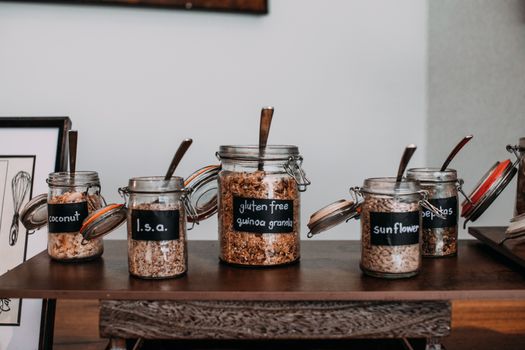 Photo: Rachel Claire / Pexels
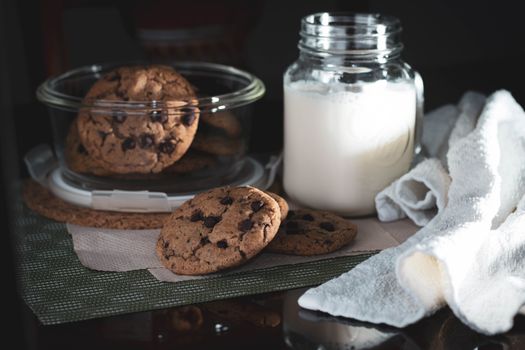 Photo: O'NEIL GONZALES / Pexels
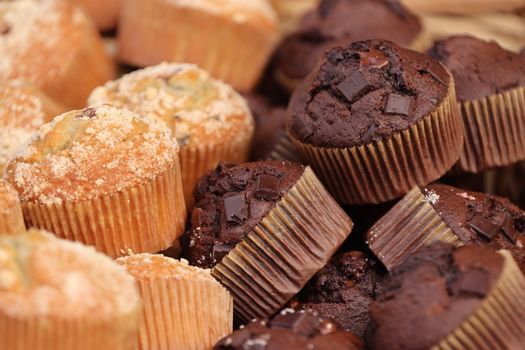 Photo: Efrem Efre / Pexels
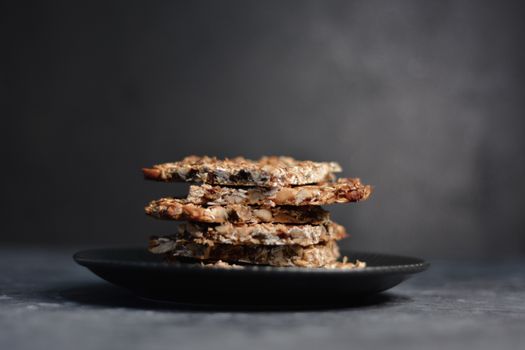 Photo: Çiğdem Bilgin / Pexels