Unlock Peak Health: Top Plant Based Protein Sources for Vegans
July 30, 2026 16 min read 3,233 words
Navigate the world of plant-based nutrition to effortlessly meet your protein needs and optimize your well-being.
Explore Vegan Proteins Now
Demystifying Plant-Based Protein: The Essentials for Vegans
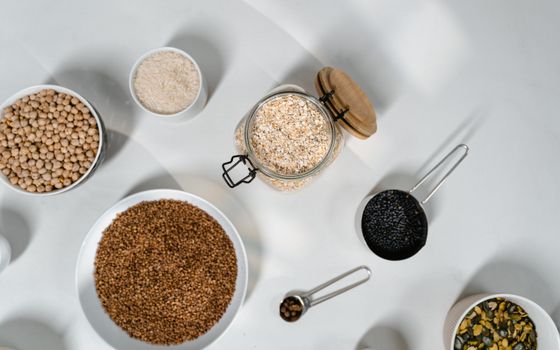 Photo: MART PRODUCTION / Pexels
For anyone embracing a vegan lifestyle, or simply exploring more plant-forward eating, one of the most common questions that arises is, "Where do vegans get their protein?" This isn't just a casual query; it's often rooted in a societal misconception that protein is exclusively, or at least predominantly, found in animal products. However, the truth is far more exciting and diverse: the plant kingdom abounds with incredibly rich and varied protein sources, offering not just the building blocks your body needs, but also a wealth of additional nutrients like fiber, antioxidants, and beneficial phytonutrients. Understanding the fundamentals of plant-based protein is the first crucial step towards a thriving, energetic vegan diet.
Protein itself is a macronutrient essential for virtually every function in your body. It's crucial for building and repairing tissues, making enzymes and hormones, and supporting immune function. Proteins are made up of smaller units called amino acids. There are 20 different amino acids, nine of which are considered 'essential' because your body cannot produce them and must obtain them from food. A 'complete protein' contains all nine essential amino acids in sufficient quantities. While many animal proteins are complete, it's a myth that plant proteins are inherently 'incomplete' or inferior. In reality, many plant foods, such as quinoa, soy, and buckwheat, are complete proteins. Others, like beans and rice, can be combined throughout the day to provide all essential amino acids. The key is not necessarily to consume complete proteins at every single meal, but rather to ensure a varied intake of different plant proteins over the course of a day.
One of the significant advantages of opting for plant based protein sources for vegans is the accompanying nutritional profile. Unlike animal proteins, which can often come with saturated fat and cholesterol, plant proteins are typically cholesterol-free and often lower in saturated fat. They also bring a generous dose of dietary fiber, which is vital for digestive health, blood sugar regulation, and satiety. This means that by focusing on plant-based proteins, you're not just meeting your protein needs, but also boosting your overall nutrient intake and supporting long-term health. The bioavailability of plant proteins, or how well your body can absorb and utilize them, is another common concern. While some plant proteins may have slightly lower digestibility compared to animal proteins due to their fiber content, this is generally not an issue for individuals consuming a varied and adequate calorie vegan diet. Techniques like soaking, sprouting, and cooking can also enhance the digestibility and nutrient availability of many plant foods.
Transitioning to or maintaining a vegan diet rich in protein doesn't have to be complicated. It involves shifting your perspective and becoming familiar with the incredible array of plant foods available. From legumes and grains to nuts, seeds, and vegetables, the options are plentiful and delicious. This guide will delve into specific high-protein plant foods, explore how to combine them effectively, and offer practical tips to ensure you're not just surviving, but truly flourishing on a plant-powered plate. Embracing these diverse
nutritious food choices will empower you to meet all your protein requirements with ease and enjoyment.
The Powerhouses: Essential Plant Based Protein Sources for Vegans
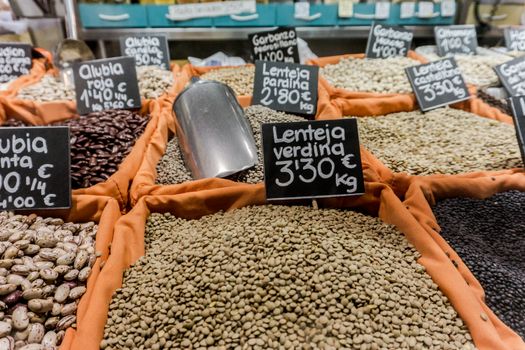 Photo: Iván Rivero / Pexels
When designing a high-protein vegan diet, certain food groups stand out as exceptional contributors. These powerhouses form the foundation of successful plant-based protein intake, offering versatility, affordability, and robust nutritional profiles. Understanding these categories is key to consistently meeting your protein goals without feeling restricted or lacking. Let's dive into the core components that make up the best plant based protein sources for vegans.
**Legumes: The Unsung Heroes.** This broad category includes beans, lentils, chickpeas, and peas, and they are arguably the most fundamental protein source for vegans. Lentils, for instance, pack about 18 grams of protein per cooked cup, along with significant fiber, iron, and folate. Chickpeas (garbanzo beans) offer around 15 grams per cup and are incredibly versatile, forming the base for hummus, falafel, and roasted snacks. Black beans, kidney beans, and pinto beans also provide around 15 grams of protein per cup, making them staples in stews, chili, and tacos. The beauty of legumes lies not just in their protein content but also in their affordability and ability to absorb flavors, making them adaptable to countless cuisines. They are also excellent sources of complex carbohydrates, providing sustained energy.
**Soy Products: A Complete Protein Champion.** Soy in its various forms is one of the few plant-based sources that is a complete protein, meaning it contains all nine essential amino acids. Tofu, made from condensed soy milk, is incredibly versatile, absorbing marinades and taking on different textures depending on preparation (firm, silken, extra-firm). A half-cup serving of firm tofu typically provides 10-15 grams of protein. Tempeh, a fermented soy product, offers an even denser protein punch, with about 19 grams per half-cup, along with probiotics beneficial for gut health. Edamame (young soybeans) are also a fantastic snack, providing around 18 grams of protein per cooked cup. While some people express concerns about soy, numerous studies have shown that moderate consumption of whole soy foods is safe and can even offer health benefits, particularly for heart health and bone density.
**Grains: Beyond Carbohydrates.** While often primarily associated with carbohydrates, many grains are surprisingly good sources of protein. Quinoa, often lauded as a 'superfood,' is unique among grains because it is a complete protein, offering about 8 grams per cooked cup. It's also gluten-free and rich in fiber, magnesium, and iron. Buckwheat, another gluten-free option, provides roughly 6 grams of protein per cooked cup and is excellent in porridge or as a side dish. Even oats, a breakfast staple, contribute around 5-6 grams of protein per half-cup dry serving, making them a good base for a protein-rich start to your day. Whole wheat pasta and brown rice also contribute to your daily protein goals, especially when consumed in larger portions or paired with other protein sources.
**Nuts and Seeds: Nutrient-Dense Protein Boosters.** Don't underestimate the small but mighty contributions of nuts and seeds. They are calorie-dense, but a handful can provide a significant protein boost alongside healthy fats, fiber, and micronutrients. Almonds, walnuts, cashews, and peanuts (technically a legume but nutritionally similar to nuts) offer 5-7 grams of protein per quarter-cup serving. Seeds are often even more potent: chia seeds and flax seeds provide about 3-4 grams per two tablespoons, along with omega-3 fatty acids. Hemp seeds are particularly impressive, boasting 10 grams of complete protein in just three tablespoons, making them an excellent addition to smoothies, salads, or oatmeal. Incorporating a variety of nuts and seeds throughout your day is an easy way to increase your overall protein intake and add delightful textures and flavors to your meals.
By strategically incorporating these protein powerhouses into your daily diet, you can easily meet and even exceed your protein requirements as a vegan. The key is variety and consistency, ensuring you tap into the diverse nutritional benefits each of these food groups has to offer. This approach not only guarantees adequate protein but also leads to a more vibrant and satisfying culinary experience.
Crafting Complete Meals: Maximizing Protein Absorption and Variety
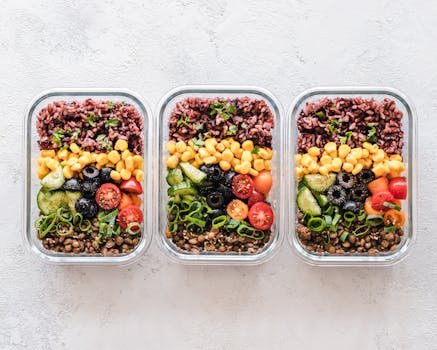 Photo: Ella Olsson / Pexels
Ensuring you get enough protein on a vegan diet isn't just about identifying individual protein-rich foods; it's also about understanding how to combine them effectively into complete, satisfying meals that maximize nutrient absorption and offer culinary delight. While the concept of 'protein combining' at every meal is largely outdated – your body has a 'pool' of amino acids it draws from throughout the day – strategically pairing certain foods can enhance the nutritional value and palatability of your diet. The focus should be on overall dietary balance and variety, making sure you hit all essential amino acids across your daily intake.
One of the simplest and most classic ways to create complete protein meals is by pairing legumes with grains. Think of traditional dishes like rice and beans, which are a staple in many cultures for good reason. Rice provides methionine and cysteine, while beans offer lysine and threonine, making a perfect complementary protein profile. Similarly, hummus (chickpeas) with whole-wheat pita bread, or a lentil soup served with a side of whole-grain bread, are excellent examples. These combinations not only ensure a full spectrum of amino acids but also provide a substantial amount of fiber, complex carbohydrates, and micronutrients, contributing to sustained energy and satiety. Don't feel pressured to get this right at every meal; simply aim for a diverse intake throughout the day.
Incorporating nuts and seeds is another fantastic strategy for boosting both protein and healthy fats. Sprinkling hemp seeds or chia seeds over your oatmeal, adding a handful of almonds to your salad, or spreading peanut butter on whole-grain toast are all simple yet effective ways to enhance the protein content of your meals and snacks. These additions also bring a textural contrast and a rich flavor profile that can make your meals more enjoyable. For instance, a stir-fry with tofu and a sprinkle of sesame seeds not only tastes great but also delivers a robust protein punch. Consider making homemade trail mix with a variety of nuts, seeds, and dried fruits for a convenient, protein-packed snack.
Vegetables, while generally lower in protein per serving compared to legumes or grains, still contribute to your overall protein intake, especially when consumed in larger quantities. Broccoli, spinach, asparagus, and Brussels sprouts all contain a surprising amount of protein. When you build meals around these vegetables, pairing them with a primary protein source like tempeh or seitan, you create a nutrient-dense dish. For example, a large salad with a base of leafy greens, topped with roasted chickpeas, a generous portion of quinoa, and a sprinkle of sunflower seeds, provides a significant amount of protein and fiber. This holistic approach to meal construction ensures you're getting a wide array of nutrients, not just protein.
Ultimately, the goal is to create a diverse and enjoyable vegan diet where a variety of plant based protein sources for vegans are regularly consumed. Don't get caught up in rigid rules; instead, focus on including legumes, grains, nuts, seeds, and vegetables in your daily meals. Experiment with different cuisines and recipes to discover new favorite combinations. For example, a hearty chili with multiple types of beans and corn, or a curry featuring lentils and spinach, are both delicious and nutritionally complete options. Remember that consistency and variety over the long term are far more important than achieving perfect protein combinations at every single meal. By embracing a diverse whole-foods approach, you'll naturally meet your protein needs and enjoy all the benefits of a plant-powered lifestyle. For more specific
meal planning strategies, consider exploring vegan recipe blogs and cookbooks.
Optimizing Your Vegan Protein Intake: Tips and Common Pitfalls
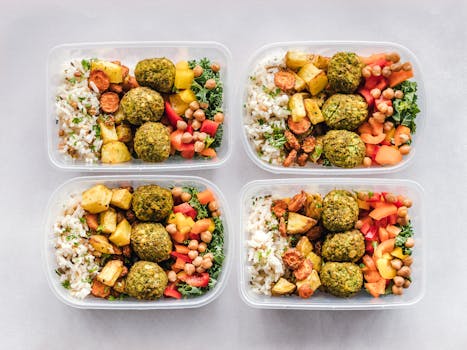 Photo: Ella Olsson / Pexels
Successfully meeting your protein needs on a vegan diet goes beyond knowing which foods are protein-rich; it involves strategic planning, mindful eating, and avoiding common missteps. Here are essential tips and pitfalls to watch out for to ensure you're truly thriving on a plant-based diet:
**Tips for Optimal Vegan Protein Intake:**
* **Prioritize Whole Foods:** While vegan protein powders and bars can be convenient, prioritize getting your protein from whole foods like lentils, beans, tofu, tempeh, quinoa, nuts, and seeds. These foods offer a full spectrum of nutrients, fiber, and micronutrients that supplements often lack.
* **Spread Protein Throughout the Day:** Instead of trying to cram all your protein into one meal, aim to include a protein source in every meal and snack. This helps with satiety, muscle synthesis, and overall amino acid availability. For example, oatmeal with nuts for breakfast, a lentil salad for lunch, and a tofu stir-fry for dinner.
* **Boost Breakfast:** Many people struggle with protein at breakfast. Incorporate options like tofu scramble, high-protein oatmeal (with nuts, seeds, and protein powder), or a smoothie with soy milk, spinach, and hemp seeds.
* **Snack Smart:** Keep protein-rich snacks handy. Roasted chickpeas, a handful of almonds, edamame, or an apple with peanut butter are excellent choices that prevent energy dips and help hit your protein goals.
* **Utilize Culinary Techniques:** Soaking and sprouting legumes and grains can increase their protein digestibility and nutrient availability. Cooking methods like fermentation (tempeh, miso) also enhance nutritional profiles.
* **Don't Fear Variety:** The more diverse your plant-based diet, the more likely you are to consume all essential amino acids and a broad range of vitamins and minerals. Rotate through different types of beans, grains, nuts, and seeds.
* **Hydrate Adequately:** Water is crucial for metabolic processes, including protein synthesis. Ensure you're drinking enough water throughout the day to support your body's functions.
**Common Pitfalls to Avoid:**
* **Relying Heavily on Processed Vegan Meats:** While convenient, many meat alternatives are highly processed and can be high in sodium and unhealthy fats, offering less nutritional value than whole-food protein sources. Use them in moderation.
* **Not Eating Enough Calories:** If you're not consuming enough calories overall, your body might use protein for energy rather than for building and repair, regardless of how much protein you eat. Ensure your caloric intake matches your activity level.
* **Underestimating Protein in Vegetables:** While not primary sources, the protein in vegetables adds up. Don't discount their contribution, especially when consumed in larger quantities as part of a balanced meal.
* **Obsessing Over 'Complete' Proteins at Every Meal:** As mentioned, your body maintains an amino acid pool. Focus on variety over the day rather than meticulously combining proteins at each sitting. The 'complete protein' myth can lead to unnecessary anxiety.
* **Ignoring Digestive Health:** If you're new to a high-fiber, plant-based diet, introduce legumes and whole grains gradually to avoid digestive discomfort. Proper digestion is key to nutrient absorption.
By being mindful of these tips and pitfalls, vegans can confidently and effortlessly meet their protein requirements, enjoying all the health benefits a well-planned plant-based diet has to offer.
