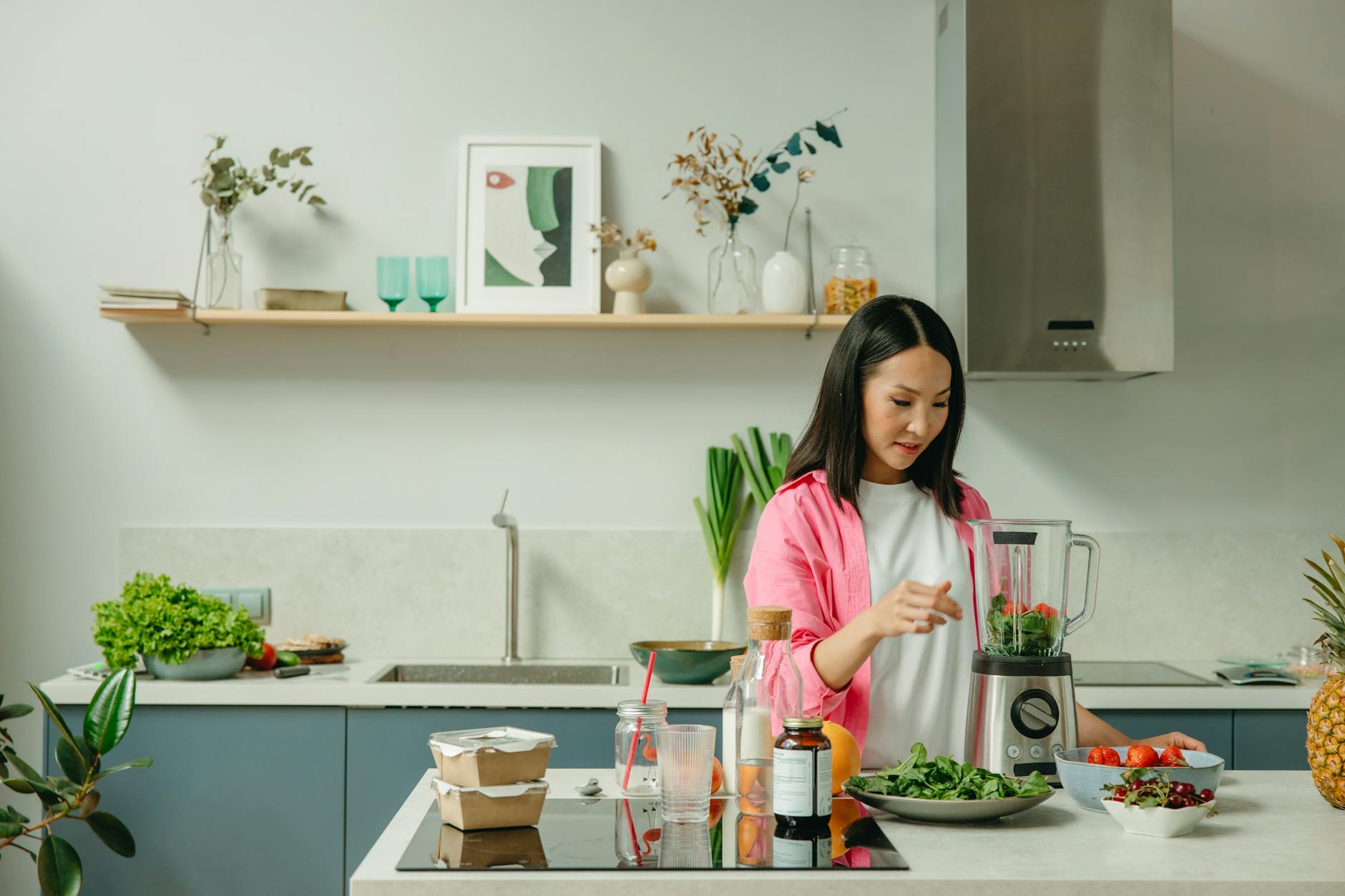
The Best Food Processor for Home Use: Your Ultimate Guide
June 21, 2026 16 min read 3,158 words
Unlock culinary efficiency and transform your home cooking with the ideal food processor designed for everyday needs.
Find Your Perfect Match
Understanding Your Needs: What Makes a Food Processor "Best"?
 Photo: MART PRODUCTION / Pexels
Choosing the best food processor for home use isn't a one-size-fits-all endeavor. The 'best' model is ultimately the one that perfectly aligns with your individual cooking habits, kitchen space, and budgetary considerations. Before diving into specific models, it’s crucial to assess your personal requirements. Are you primarily looking to chop vegetables for daily salads, or do you envision preparing large batches of dough for weekly baking? Do you have limited counter space, or a dedicated area for appliances? These questions will guide you toward the right capacity, power, and feature set. For instance, a small, compact food chopper might suffice for single servings or quick garnishes, while a robust, large-capacity model with multiple attachments would be ideal for a family that cooks extensively from scratch. Consider the types of tasks you perform most frequently. If you're a baker, look for models with dough blades. If you love making dips and sauces, a powerful motor and sharp S-blade are paramount. Understanding these nuances will prevent you from overspending on features you won't use or, conversely, being disappointed by an underpowered machine.
One of the most critical aspects to consider is the motor's power, often measured in watts. A higher wattage generally translates to a more robust motor, capable of handling tougher ingredients like nuts, hard cheeses, or even kneading dough without stalling. For typical home use, a motor between 600-1000 watts is usually sufficient, offering a good balance of power and efficiency. However, if you plan on heavy-duty tasks, models exceeding 1000 watts might be a better investment. Another significant factor is the work bowl capacity. Food processors typically range from mini choppers (1-4 cups) to full-sized models (7-16 cups). A 10-12 cup capacity is often considered the sweet spot for most families, offering enough space for large batches without being overly cumbersome. Smaller capacities are great for individuals or couples who only need to process small amounts, while larger ones are perfect for entertaining or bulk meal prep. The material of the work bowl also plays a role; most are made from durable, BPA-free plastic, but some premium models might offer glass bowls for aesthetic appeal and stain resistance.
Beyond power and capacity, the range of attachments and accessories can significantly enhance a food processor's versatility. Standard inclusions usually feature an S-blade for chopping, mixing, and pureeing. However, many models come with additional discs for slicing (thin or thick), shredding (fine or coarse), and even specialized blades for kneading dough or emulsifying. The convenience of having these tools readily available can transform your cooking experience, allowing you to quickly prepare everything from perfectly julienned vegetables to homemade nut butter. Look for models where these attachments are easy to swap out and, crucially, easy to clean. Dishwasher-safe parts are a huge bonus for busy home cooks. Don't forget about the feed tube – a wider feed tube means less pre-cutting of ingredients, saving you valuable time. Finally, consider the overall footprint and design; a sleek, compact model might be preferable for smaller kitchens, while a more robust, heavier base can provide stability during operation. For more insights on kitchen efficiency, explore our guide on
essential kitchen gadgets.
Top Contenders: Our Picks for the Best Food Processor for Home Use
 Photo: Yaroslav Shuraev / Pexels
After extensive research, user reviews analysis, and considering the diverse needs of home cooks, we've narrowed down the field to several top contenders that consistently deliver on performance, versatility, and durability. These models stand out for their robust motors, thoughtful design, and ability to handle a wide array of culinary tasks with ease, making them excellent choices for the best food processor for home use.
**Cuisinart DFP-14BCNY 14-Cup Food Processor:** Often considered the gold standard, the Cuisinart 14-cup model is a perennial favorite for a reason. Its powerful 720-watt motor is capable of tackling virtually any task, from kneading stiff dough to finely chopping nuts. The large 14-cup work bowl is ideal for families or those who cook in larger batches, minimizing the need to process ingredients in multiple rounds. It comes equipped with a stainless steel slicing disc, shredding disc, and a chopping/mixing blade, offering excellent versatility. Users consistently praise its durability and ease of use, with simple on/off/pulse controls. While it has a larger footprint, its robust construction ensures it will be a workhorse in your kitchen for years to come. The wide feed tube is another significant advantage, reducing the amount of pre-chopping required.
**Breville Sous Chef 12-Cup Food Processor:** For those seeking a premium experience with advanced features, the Breville Sous Chef is an exceptional choice. Its powerful 1000-watt induction motor is incredibly quiet yet highly effective, easily handling tough ingredients. What truly sets it apart is its comprehensive set of attachments, including multiple slicing and shredding discs, a dough blade, and a unique micro-serrated S-blade for superior chopping. It also boasts an extra-wide feed chute, making it possible to process larger items like whole potatoes or tomatoes with minimal effort. The intuitive controls and a sturdy die-cast metal base contribute to its high-end feel and performance. While it comes at a higher price point, the Breville justifies it with its precision, power, and thoughtful design details.
**KitchenAid 7-Cup Food Processor:** If counter space is at a premium or you're cooking for one or two, the KitchenAid 7-cup model offers a fantastic balance of compactness and capability. It features a powerful motor for its size, efficiently handling chopping, slicing, shredding, and pureeing tasks. Its smaller footprint makes it easy to store, and the simple one-click, twist-free bowl assembly makes it incredibly user-friendly. The included reversible medium slicing/shredding disc and multi-purpose blade provide good versatility for everyday cooking. KitchenAid's reputation for quality and stylish design is evident here, making it a great option for those who want a reliable, easy-to-use food processor without the bulk of larger models.
**Ninja Professional Food Processor (BN601):** The Ninja brand is known for its powerful blenders, and their food processors carry that same ethos. The Ninja Professional offers a strong 1000-watt motor, capable of handling ice and tough ingredients with ease. It's particularly lauded for its ability to chop and blend with its stacked blade system, which provides thorough processing. While its design might be more utilitarian than some competitors, its raw power and effectiveness in chopping and pureeing make it a strong contender, especially for those who prioritize performance on a budget. It often comes with multiple bowl sizes, adding to its versatility for different tasks. This model excels at quickly pulverizing ingredients, making it great for salsas, purees, and even breaking down harder vegetables.
**Hamilton Beach 10-Cup Food Processor:** For budget-conscious consumers who still want reliable performance, the Hamilton Beach 10-cup model is an excellent entry-level option. It offers a decent 450-watt motor, capable of handling most basic chopping, slicing, and shredding tasks for everyday cooking. Its reversible stainless steel slicing/shredding disc and S-blade are easy to use. While it may not have the sheer power or advanced features of the premium models, it provides solid functionality for its price point. It's also designed with a large feed chute to reduce pre-cutting and dishwasher-safe parts for easy cleanup, making it a practical choice for beginners or occasional users.
Maximizing Your Food Processor: Tips, Tricks, and Maintenance
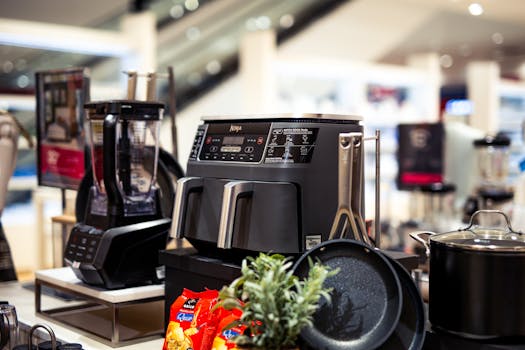 Photo: Ludovic Delot / Pexels
A food processor is a significant investment for any home kitchen, and understanding how to use it effectively and maintain it properly will ensure its longevity and peak performance. Beyond simply turning it on, there are numerous tips and tricks that can elevate your culinary results and make your food processor an indispensable tool. One fundamental principle is to avoid overfilling the work bowl. While it might be tempting to cram in as many ingredients as possible to save time, overfilling can strain the motor, lead to uneven processing, and even damage the blades. Always adhere to the manufacturer's maximum fill lines, and if in doubt, process in smaller batches. This ensures consistent results and prolongs the life of your appliance. Similarly, when processing liquids, be mindful of the maximum liquid capacity to prevent spills and motor damage.
Pre-cutting ingredients is another crucial step, especially for models with smaller feed tubes or less powerful motors. While larger models boast wide feed chutes for whole vegetables, even they benefit from some initial preparation. Cutting ingredients into roughly uniform sizes helps ensure even processing and prevents some pieces from being perfectly pureed while others remain chunky. For tasks like shredding cheese or slicing vegetables, chilling the ingredients beforehand can make a significant difference. Cold cheese is firmer and less likely to clump, resulting in cleaner shreds. Slightly firming up vegetables in the refrigerator can also lead to more precise slices. Always use the pulse function liberally, especially when chopping or dicing. Pulsing gives you greater control over the texture, allowing you to achieve the desired consistency without accidentally over-processing ingredients into a mush. A few short pulses are often more effective than a continuous run.
When it comes to maintenance, cleaning is paramount. Most food processor parts are dishwasher-safe, but always check your specific model's manual. For hand washing, be extremely cautious with the sharp blades; using a brush designed for kitchen tools can help prevent accidental cuts. Immediately after use, rinse the parts to prevent food from drying and sticking, which can make cleaning much harder. Periodically, check the motor base for any food debris or spills and wipe it down with a damp cloth. Never submerge the motor base in water. Proper storage is also key; keep your food processor and its attachments in a dry, safe place where they won't be knocked around or damaged. Some models come with clever storage solutions for blades and discs, which can be incredibly helpful for keeping your kitchen organized. Regular cleaning and careful handling will ensure your best food processor for home use remains a reliable companion in your culinary adventures for years to come. For more on extending the life of your kitchen tools, check out our guide on
kitchen appliance care.
Common Mistakes to Avoid When Using Your Food Processor
 Photo: cottonbro studio / Pexels
Even with the best food processor for home use, certain common mistakes can lead to frustration, suboptimal results, or even damage to your appliance. Being aware of these pitfalls can significantly improve your experience and extend the life of your food processor. One of the most frequent errors is not locking the work bowl and lid securely before operating. Modern food processors are equipped with safety interlocks that prevent the motor from starting if components aren't correctly aligned. Forcing it can damage the locking mechanisms. Always ensure you hear the distinct click or feel the parts firmly engage before pressing the start button.
Another common mistake is attempting to process ingredients that are too hot. Hot liquids or foods can create steam and pressure inside the sealed work bowl, potentially leading to a messy eruption or even damage to the lid. Always allow hot ingredients to cool down significantly before processing. Conversely, trying to process extremely hard or frozen items without proper pre-treatment can also strain the motor and dull the blades. While some powerful processors can handle ice, most struggle with rock-hard frozen fruits or large blocks of parmesan cheese. Cutting these items into smaller, more manageable pieces or allowing them to thaw slightly can prevent undue stress on your machine.
Using the wrong blade or attachment for the task is another oversight. While the S-blade is versatile, it's not always the best choice. For example, trying to achieve perfectly even slices with the S-blade is futile; that's what the slicing disc is for. Similarly, attempting to knead stiff dough with a standard chopping blade can overwork the dough and strain the motor. Familiarize yourself with all the included attachments and their intended uses. The manual is your best friend here. Not using the pulse function for chopping and dicing is also a common misstep. Continuous running often leads to over-processing, turning ingredients into a puree instead of a chop. The pulse button gives you incremental control, allowing you to achieve the exact texture you desire, whether it's a coarse chop or a fine mince.
Finally, neglecting proper cleaning and maintenance can drastically shorten your food processor's lifespan. Leaving food residue on blades and bowls can lead to staining, odors, and bacterial growth. Moreover, allowing food to dry on the blades makes them much harder and more dangerous to clean. Always clean your food processor immediately after use, disassembling all removable parts and washing them thoroughly. Pay special attention to the seals and crevices where food can hide. By avoiding these common errors, you'll ensure your food processor remains a high-performing, reliable kitchen aid, simplifying your meal prep and enhancing your cooking prowess for years to come.