Unveiling the Best Coffee Beans for Espresso Machine Perfection
best coffee beans for espresso machine

Unveiling the Best Coffee Beans for Espresso Machine Perfection

Unlock the secrets to crafting rich, creamy espresso shots at home with the perfect coffee beans for your machine.

Find Your Perfect Bean

Key Takeaways

  • ✓ Freshly roasted beans are paramount for optimal espresso extraction.
  • ✓ Medium-dark to dark roasts often yield classic espresso flavors.
  • ✓ Blends offer complexity and consistency, while single origins showcase unique profiles.
  • ✓ Bean origin, processing, and roast level significantly impact flavor.

How It Works

1
Understand Your Machine

Different espresso machines (manual, semi-automatic, super-automatic) perform best with specific bean characteristics. Knowing your machine's capabilities helps narrow down choices.

2
Identify Your Flavor Preference

Do you prefer bold, chocolatey notes or bright, fruity acidity? Your personal taste is the ultimate guide to selecting the right beans for your perfect shot.

3
Consider Roast Level

Light roasts offer complexity and acidity, medium roasts balance sweetness and body, and dark roasts provide classic bitterness and bold flavor. Match the roast to your desired espresso profile.

4
Prioritize Freshness & Grind

Always buy freshly roasted beans and grind them just before brewing. This preserves volatile aromatics and ensures optimal extraction for a superior espresso.

Understanding the Espresso Bean: More Than Just Coffee

For many, espresso is more than just a coffee drink; it's a ritual, a science, and an art form. The foundation of any exceptional espresso shot lies, unequivocally, in the quality and type of coffee beans used. You can have the most advanced espresso machine, the finest grinder, and impeccable barista technique, but without the right beans, your efforts will fall flat. So, what exactly makes a coffee bean 'best' for espresso, and why is this distinction so crucial? It's a complex interplay of factors, from the bean's origin and varietal to its processing, roast profile, and, critically, its freshness. Unlike drip coffee, espresso brewing involves high pressure and short extraction times, which demand specific characteristics from the bean to produce that signature crema, body, and concentrated flavor. When we talk about the best coffee beans for an espresso machine, we're often looking for beans that can stand up to this intense brewing method. This typically means beans that are dense enough to resist over-extraction, possess a balanced acidity that doesn't become sour under pressure, and have enough soluble solids to create a rich, viscous body. The choice of bean directly influences the crema – that beautiful, reddish-brown foam on top of an espresso shot, indicative of a well-extracted brew. A thin, quickly dissipating crema often points to stale beans or an incorrect grind, but even perfect technique can't compensate for beans unsuitable for espresso. Furthermore, the flavor profile of an espresso bean needs to be robust enough to shine through, whether enjoyed neat or as the base for milk-based drinks like lattes and cappuccinos. A delicate, nuanced bean that excels in a pour-over might be completely lost in an espresso shot, or worse, taste overwhelmingly bitter or thin. Therefore, selecting the right raw material is the first and most critical step in your journey toward espresso perfection. It's about understanding how different beans react to the espresso process and choosing those that will consistently deliver the desired result. For more on achieving the perfect brew, explore our guide on the art of coffee grinding.

The Roast Level Revelation: Finding Your Espresso Sweet Spot

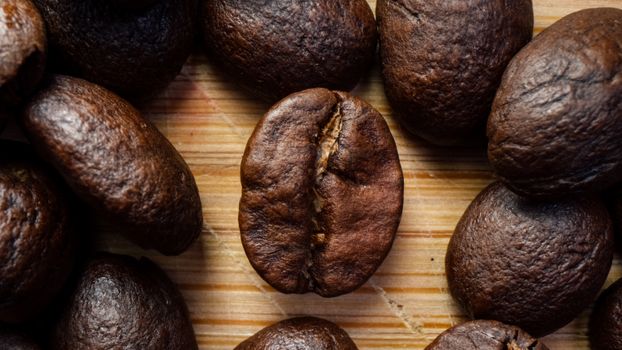
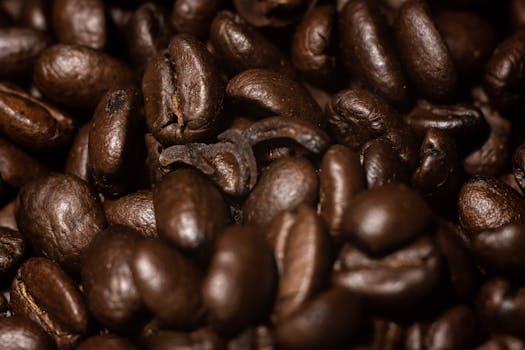
The roast level is arguably one of the most impactful decisions when selecting the best coffee beans for your espresso machine. It dictates much of the final flavor profile, body, and even the ease of extraction. While there's a common misconception that all espresso beans must be dark roasted, this is far from the truth. The 'espresso roast' traditionally referred to a very dark roast, often oily and bitter, designed to cut through milk in classic Italian preparations. However, modern espresso culture has embraced a much wider spectrum of roasts, offering a diverse array of flavors. Let's break down the general characteristics of different roast levels as they apply to espresso. Light roasts, often referred to as 'cinnamon' or 'light city' roasts, are typically stopped shortly after the first crack. These beans retain much of their origin's inherent acidity and complex fruity or floral notes. When brewed as espresso, they can yield bright, vibrant shots with high acidity and a delicate body. While challenging to extract perfectly due to their density and acidity, skilled baristas can coax incredibly nuanced and exciting flavors from them. Medium roasts, or 'city' to 'full city' roasts, are usually roasted to just before or just into the second crack. This level offers a balance, developing more body and sweetness while still preserving some of the origin characteristics. They often present notes of chocolate, caramel, nuts, and a pleasant, rounded acidity. Medium roasts are a popular choice for espresso as they provide versatility and a good balance of flavor and ease of extraction. They are often forgiving and can produce excellent results in various espresso machines. Dark roasts, including 'full city+' to 'French' roasts, are roasted well into or past the second crack. These beans develop a pronounced bitterness, often with notes of dark chocolate, smoke, and roasted nuts. The origin characteristics are largely overshadowed by the roast flavors. While some connoisseurs avoid very dark roasts due to the loss of origin distinctiveness, they remain popular for their bold, powerful flavor, especially in milk-based drinks where they cut through the sweetness effectively. Their oils often migrate to the surface, giving them a shiny appearance. When choosing, consider your palate and how you plan to drink your espresso. For a classic, bold Italian-style shot, a medium-dark to dark roast might be ideal. For a more nuanced, origin-forward experience, explore medium or even carefully selected light roasts. The key is experimentation and finding what resonates with your taste buds and machine.

Blends vs. Single Origins: Crafting Your Espresso Signature

Once you've considered the roast level, the next significant decision in selecting the best coffee beans for your espresso machine is whether to opt for a blend or a single-origin coffee. Both offer distinct advantages and appeal to different preferences, and understanding these differences is key to crafting your ideal espresso signature. Coffee blends are, as the name suggests, a combination of two or more different coffee beans, typically from various origins, varietals, or processing methods. The art of blending lies in combining these components to achieve a specific, consistent flavor profile that is often greater than the sum of its parts. Roasters meticulously select beans that complement each other, aiming for balance, complexity, and often, a robust body and excellent crema that perform consistently across different brewing conditions. Blends are often designed to be more forgiving, offering a reliable, well-rounded flavor that works beautifully in both straight espresso shots and milk-based beverages. They might combine a high-acidity African bean with a full-bodied South American bean and a sweet Central American bean to create a harmonious and dynamic flavor. For those seeking consistency and a classic espresso experience, a well-crafted blend is often the go-to choice. Many iconic Italian espresso brands built their reputation on secret, proprietary blends. Single-origin coffees, on the other hand, celebrate the unique characteristics of beans from a specific geographical location, often a single farm, estate, or region. These coffees are roasted to highlight their inherent terroir – the combination of soil, climate, and altitude that gives them their distinctive flavor. When brewed as espresso, single origins can offer an exciting journey of discovery, showcasing a wide array of notes from bright citrus and berry to rich chocolate, nuts, or exotic spices. They are often more challenging to extract perfectly as espresso, as their unique characteristics can be more sensitive to grind size, dose, and temperature. However, when done right, a single-origin espresso can be an incredibly rewarding experience, offering a transparent glimpse into the bean's origin story. They are perfect for the adventurous palate, for those who enjoy exploring the subtle nuances and seasonal variations of coffee. It's not uncommon for baristas to offer rotating single-origin espressos to showcase these diverse profiles. Your choice between a blend and a single origin often comes down to your priorities: consistency and a balanced profile (blend) versus adventurous, origin-specific flavors (single origin). Many espresso enthusiasts keep both on hand to suit different moods and occasions. For further reading on coffee types, refer to our article on exploring different coffee varietals.

Essential Tips for Choosing and Storing Your Espresso Beans

Selecting the best coffee beans for your espresso machine is only half the battle; proper handling and storage are equally critical to preserving their quality and ensuring consistently delicious shots. Here are some essential tips to guide you: * **Prioritize Freshness Above All:** This cannot be stressed enough. Coffee beans are at their peak flavor within 1-4 weeks of their roast date. Always look for a 'roasted on' date, not a 'best by' date, when purchasing. Avoid beans that don't specify a roast date, as they are likely stale. Stale beans result in thin, sour, or bitter espresso with poor crema. * **Buy Whole Beans:** Always purchase whole beans and grind them just before brewing. Pre-ground coffee rapidly loses its volatile aromatic compounds, leading to a flat, lifeless espresso. A quality burr grinder (not a blade grinder) is an indispensable tool for any serious home barista. * **Consider Your Grinder:** Different grinders produce different particle distributions, which impact extraction. A high-quality conical or flat burr grinder allows for precise, micro-adjustments essential for dialing in espresso. * **Storage is Key:** Once roasted, coffee beans begin to degas and oxidize. Store your beans in an opaque, airtight container in a cool, dark place, away from direct sunlight and heat. Avoid storing them in the refrigerator, as condensation can introduce moisture and off-flavors. Freezing can extend shelf life for larger quantities, but ensure they are in truly airtight, freezer-safe bags and only thaw what you need, avoiding repeated freezing and thawing. * **Buy in Smaller Batches:** Purchase only what you can consume within 1-2 weeks. This ensures you're always working with fresh beans and minimizes exposure to air once the bag is opened. * **Experiment and Document:** Don't be afraid to try different beans, roasts, and origins. Keep a small journal to note down your preferences, grind settings, and extraction times for different beans. This will help you learn what works best with your machine and your palate. * **Don't Overlook Bean Condition:** Inspect beans for uniformity in size and color. Avoid bags with a lot of broken beans or foreign particles. Oily beans, often indicative of very dark roasts, can sometimes clog grinders or espresso machine burrs, requiring more frequent cleaning. Following these guidelines will significantly elevate your home espresso experience, allowing you to fully appreciate the nuances and complexities that the best coffee beans for espresso machine use can offer.

Comparison

FeatureClassic Espresso Blend (Medium-Dark)Single Origin (Medium Roast)Dark Roast Espresso
Flavor ProfileBalanced, chocolate, caramel, nutty, low acidityBright, fruity, floral, complex, higher acidityBold, smoky, bitter, dark chocolate, low acidity
Crema QualityThick, rich, persistentMedium thickness, often lighter colorVery thick, often dark, quick to fade
Versatility (Milk Drinks)Excellent, cuts through milk wellGood, adds unique notes, can be subtleExcellent, strong presence in milk
Extraction DifficultyModerate, forgivingHigher, requires precise dialing-inModerate, can be oily and clog
Recommended ForDaily drinker, traditionalists, consistencyAdventurous palates, exploring nuancesBold flavor lovers, classic Italian style

What Readers Say

"I've tried countless beans, but the 'Espresso Maestro' blend truly delivers the best coffee beans for my espresso machine. The rich crema and chocolate notes are incredible every morning."

Sarah J. · Portland, OR

"Switching to a freshly roasted medium-dark blend was a game-changer. My shots are consistently smooth, and I finally get that cafe-quality taste at home with these best coffee beans for espresso machine."

David L. · Austin, TX

"My Breville Barista Express never tasted better! These specific single-origin beans, recommended by this guide, produced the brightest, most aromatic espresso I've ever made. Truly the best coffee beans for espresso machine results."

Maria P. · New York, NY

"While I usually prefer dark roasts, the suggested medium roast blend was a pleasant surprise. It required a bit more finessing with my grind, but the resulting balance and sweetness were worth it. Definitely among the best coffee beans for espresso machine experimentation."

Tom K. · Denver, CO

"As a latte art enthusiast, having a consistent, beautiful crema is paramount. These beans consistently deliver, making my milk-based drinks not just look good, but taste phenomenal. Hands down, the best coffee beans for my espresso machine."

Jessica R. · Chicago, IL

Frequently Asked Questions

What is the most important factor when choosing the best coffee beans for an espresso machine?

The most crucial factor is freshness, followed closely by the roast level and bean quality. Freshly roasted beans (within 1-4 weeks of roast date) ensure optimal flavor development and crema, as they contain the necessary oils and gases for a proper extraction. Stale beans will always yield inferior results, regardless of other factors.

Will dark roast beans always produce the best espresso?

Not necessarily. While dark roasts are traditionally associated with espresso and provide bold, often bitter and smoky flavors that cut through milk well, they are not universally 'best.' Many modern espresso enthusiasts prefer medium to medium-dark roasts for a more balanced, nuanced shot with brighter acidity and origin characteristics. The 'best' roast depends entirely on your personal taste preference.

How should I store my espresso beans to keep them fresh?

Store your whole espresso beans in an opaque, airtight container in a cool, dark place, away from direct sunlight, heat, and moisture. Avoid the refrigerator as it can introduce condensation. Only grind the amount of beans you need immediately before brewing to preserve their volatile aromatics.

Are expensive espresso beans always better?

Not always, but there's often a correlation between price and quality. Higher-priced beans may reflect superior sourcing, ethical practices, unique varietals, or meticulous roasting. However, a moderately priced, freshly roasted bean from a reputable roaster can often outperform an expensive, stale bean. Value comes from freshness and suitability for your palate, not just the price tag.

Can I use regular drip coffee beans for my espresso machine?

While you technically can, it's generally not recommended. Drip coffee beans are often roasted with different flavor profiles in mind and may not stand up to the high pressure and short extraction time of an espresso machine. This can result in thin, sour, or overly bitter shots with little to no crema. For the best results, always choose beans specifically optimized for espresso.

Who should prioritize blends over single-origin beans for espresso?

Individuals seeking consistency, a classic espresso flavor profile, and versatility for milk-based drinks will often prefer blends. Blends are crafted to be forgiving and reliable, providing a balanced and robust shot every time. Those who are new to espresso or want a dependable daily driver might find blends more approachable than the sometimes more temperamental single origins.

Is it safe to use oily beans in my espresso machine?

While not inherently unsafe, very oily, dark-roasted beans can sometimes cause issues. The oils can build up faster in your grinder, requiring more frequent cleaning to prevent clogging and ensure consistent grind size. In some super-automatic machines, excessive oil can potentially impact internal components over time. It's best to clean your grinder and machine regularly if using oily beans.

What are the future trends in espresso bean selection?

Future trends point towards increasing popularity of lighter roasted single-origin espressos, showcasing unique terroir and complex flavor notes. There's also a growing demand for ethically sourced and sustainably produced beans, with transparency in supply chains. Expect more innovative blends that combine diverse processing methods (e.g., natural, washed, honey) to create novel taste experiences, pushing the boundaries of traditional espresso profiles.

Armed with this comprehensive guide, you're now ready to embark on your journey to find the best coffee beans for your espresso machine. Experiment, taste, and discover the perfect beans that transform your daily coffee ritual into an extraordinary experience. Elevate your espresso game today!

Topics: best coffee beans for espresso machineespresso bean guidedark roast espresso beansespresso blendsingle origin espresso
Leo List
Brampton weed
Adultwork EstrelaBet Vai de Bet R7 Bet Betão Galera Bet Rainbet Bet9ja Shop SportyBet BetKing Sisal Loto Foot Hollywoodbets YesPlay Odibets RushBet Jugabet BetWarrior BetCity MSport betPawa Fortebet